
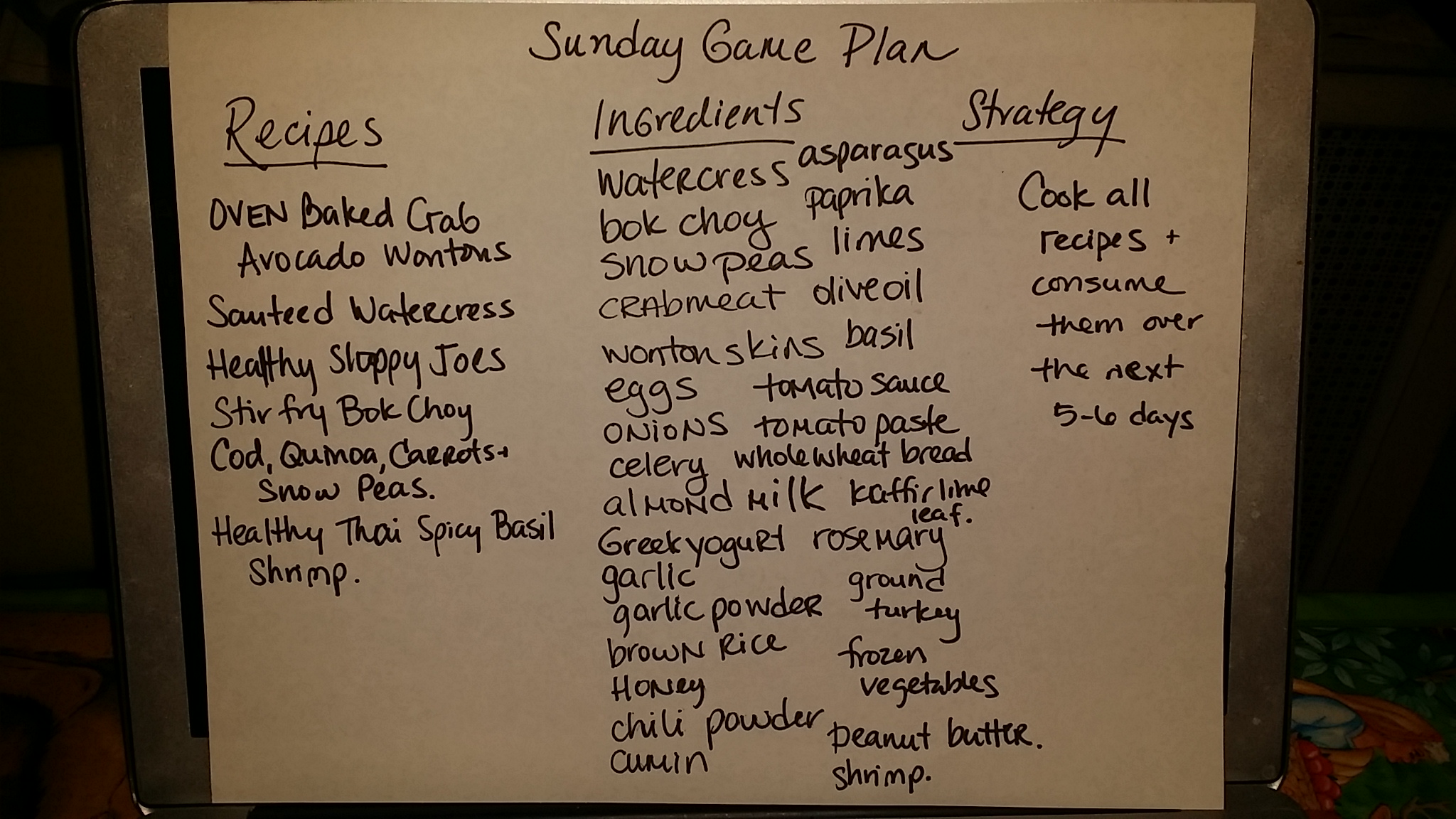
A few weeks ago, Mariana Lamar, cr eator of Whole Health HQ. Her blog is designed to share and connect with introverts who want to achieve optimal health and wellness. After publishing two game plans for NYC Restaurant Week and Long Island Restaurant Week, I am going to share this blog post that Mariana wrote, which highlights ways of maintaining a healthy lifestyle through awareness and shifting habits such as scrolling late at night or early in the morning instead of resting. Thank you Mariana for contributing another article for the Sunday Game Plan. I am sure anyone who reads this will learning something from it.
Move Your Body Daily
You move more than you think — you just stopped counting it as exercise. That stretch you did getting out of bed? That counts. The walk across the parking lot because the close spots were taken? That too. Bodies don’t need perfection. They need participation. Keep your limbs in the game and your joints from stiffening. Don’t worry about tracking steps — worry about forgetting to step. Make movement part of the background, like music you forget is playing until it stops.
Prioritize Rest and Recovery
Rest is too often the first thing we trade and the last thing we protect. But sleep isn’t an accessory. It’s core maintenance. You can survive without it — people do — but the cost builds quietly. Your decisions start to wobble. Little annoyances start to feel heavier. There’s no medal for exhaustion, and nobody’s handing out trophies for burning out. Reclaim bedtime. Build a shutdown habit that doesn’t involve a screen glowing inches from your face. You don’t have to be perfect — you just need to be consistent enough that your brain knows when to quit for the day.
Connect with Others
You can do a lot on your own — but you weren’t built to go it alone. Humans regulate in pairs. We soften through conversations, even short ones. A quick check-in. A joke in a text. Shared silence on a walk. It’s not about having deep talks every day; it’s about staying tethered. You’re not bothering people — they’re waiting, too, for someone to reach out. Don’t let isolation sneak in under the disguise of “being busy.” Connection doesn’t require a big gesture — just a nudge that says, “I’m still here.”
Align Your Career and Purpose
What you do all day feeds back into how you feel — and not just when the paycheck hits. If work is draining you dry, it’s going to show up everywhere: in your body, your relationships, your sense of possibility. Sometimes the answer isn’t quitting. Sometimes it’s retraining. Shifting. Giving yourself permission to grow. For example, you might explore a healthcare administration degree — something fully online, flexible, and accredited. It won’t fix everything. But it can remind you that you’re allowed to evolve, and that your well-being includes your work, not just your weekends.
Reclaim Attention with Nature
Your nervous system knows what a tree is. Even if you don’t think of yourself as “outdoorsy,” your brain recognizes sky, leaves, shadows shifting with the wind. That recognition slows you down — not in a bad way, but in a reset way. You don’t need a trailhead; you need a window. A pause on a walk. Something real to look at that isn’t pixels. Let your eyes stretch past the screen. Let your breath catch up. Nature doesn’t demand anything of you. That’s part of why it works.
Create a Daily Structure
You already have routines — they might just be accidental. Checking your phone first thing. Skipping breakfast. Checking emails before dressing. What if you picked one piece to do on purpose? Wake up, open a window, drink water before caffeine. Something repeatable, something grounding. It doesn’t have to be a ritual with candles and affirmations. Just something that says, “I’m starting now.” When your day has edges, your mind can settle in the middle. Otherwise, it spills everywhere.
Cultivate Emotional Habits
Most people think emotions just happen to them — but the truth is, we rehearse them. Bitterness, stress, hope, appreciation — we get good at what we repeat. Gratitude doesn’t mean pretending things are fine. It means learning to hold two truths: some things are tough, and some things are still okay. Saying thank you to no one in particular. Writing down one sentence before bed. Giving yourself a break for not doing more. These aren’t tactics — they’re survival skills. You can still be angry. You can still struggle. Gratitude just gives the struggle somewhere to breathe.
Most people think they need a reset button. What they really need is a few things to stop breaking. You don’t have to start over — you just need to start smaller. Put one thing back in your own hands. A walk. A meal. A better bedtime. You won’t feel the change in a day, but you’ll feel it later when you haven’t fallen apart. That’s what health really is. Not optimization — orientation.
Discover the ultimate dining experiences with Tablespoons and Teaspoons, your go-to guide for navigating NYC and Long Island Nassau County’s vibrant restaurant weeks and replicating recipe adventures














































 Tablespoons and Teaspoons