Sunday Game Plan: This Father’s Day, Check In on the Men You Love: A Gentle Guide to Men’s Mental Health

Thank you, Mariana Lamar, creator of Whole Health HQ for contributing another article for the Sunday Game Plan. I am sure anyone who reads this will learn something from it.. Whole Health HQ is a blog designed to share and connect with introverts who want to achieve optimal health and wellness.  I am going to share this blog post that Mariana wrote, addressing the importance of Men’s Mental Health especially on Father’s Day.

June is Men’s Mental Health Month, and Father’s Day lands right in the middle of it. The dads, partners, and sons we love deserve to feel good too, not just to keep holding everything together for the rest of us. And here’s the hopeful part: most of what helps men feel better is ordinary, doable, and something we can encourage from right beside them. The hard part is usually just noticing. Men are far less likely than women to reach out for help when they’re struggling, often because a lifetime of “be tough, handle it, don’t burden anyone” makes asking feel like failure. Which means the people who love them are often the first to see it.

This isn’t about what’s wrong with the men in your life. It’s about what they might need, and the small, kind ways you can make it easier for them to feel like themselves again.

When He Doesn’t Quite Seem Like Himself

The picture most of us grew up with (someone visibly sad, tearful, withdrawn) is real but incomplete. When a man is struggling, it often shows up sideways. According to the Mayo Clinic, it can look like:

  • Irritability or a short fuse that seems bigger than whatever set it off
  • Throwing himself into work, using busyness as a way not to slow down and feel
  • Quietly pulling back from the people and the hobbies he usually loves
  • Drinking more, driving faster, making choices he wouldn’t normally make
  • Aches that don’t have a clear cause: headaches, exhaustion, a stomach that’s always off

You don’t need to diagnose anyone, and it isn’t your job to. Think of this less as a checklist to monitor him against and more as permission to trust your gut when someone you love seems off. Noticing is an act of love, not surveillance.

A Few Loving Things Worth Encouraging

None of these are dramatic interventions. They’re small, they’re backed by real evidence, and almost all of them work better when they’re not done alone.

Protect his sleep. A Center for Disease Control (CDC) study of more than 273,000 adults found that people sleeping six hours or less a night were about 2.5 times as likely to wrestle with frequent mental distress. Seven hours isn’t a luxury; it’s the floor everything else stands on. A wind-down routine, phones charging outside the bedroom, a quiet hour that isn’t more screens. Protecting his sleep usually means protecting yours in the same move, which is its own small gift.

Build in actual rest. Research summarized by the National Center for Complementary and Integrative Health (NCCIH) suggests mindfulness may ease anxiety and stress about as well as proven therapies like cognitive behavioral therapy. But rest doesn’t require an app or a cushion. Fishing. A long drive with no destination. An evening on the porch. Whatever his version of winding down looks like, encourage it and guard it from being scheduled away.

Let him say no to something. The “I can handle one more thing” reflex is often what wears good men down, and accumulated stress feeds anxiety and low mood over time. Saying no to one optional obligation he doesn’t really owe anyone isn’t selfish. It’s how he keeps going. You can make it easier by saying it first: “You don’t have to go to that” lands very differently coming from someone who loves him.

Keep him connected. The U.S. Surgeon General’s 2023 advisory put real weight behind something we already feel in our bones: close connection is genuinely protective, on the level of the big health habits. Men tend to keep fewer close friendships than women, and those are usually the first to go quiet when life gets busy. So be a connector. Nudge him to text the friend he keeps saying he misses. Set a standing plan with another couple. Some of the most honest conversations in our house have happened over a cutting board, chopping vegetables shoulder to shoulder with nobody making eye contact, so a weeknight dinner you cook together counts more than you’d think.

Get him moving, ideally with you. One of the largest reviews we have, a 2024 meta-analysis in The BMJ drawing on 218 trials, found that exercise eased depression about as effectively as therapy or medication in many studies, though the researchers were careful to say the evidence isn’t airtight yet. A walk after dinner does it. A weekend bike ride does it. And movement with another person stacks the connection benefit right on top of the physical one.

Natural remedies, with a gentle word of caution. Some people add supplements or botanicals to their routine, and a couple are worth knowing about before he does. St. John’s wort comes up a lot for low moods, but the NCCIH is clear that it interacts with a surprising number of everyday medications, including antidepressants, birth control, and blood thinners, so it’s genuinely a check-with-the-doctor-first thing rather than a try-it-and-see one. Separately, some men reach for hemp-derived products to take the edge off after a hard day. If that’s already part of his routine, the kindest thing you can do is help him be informed about it, and it’s worth starting from a clean summary of what a product actually contains.

How to Actually Start the Conversation

Wanting to check in and knowing how to do it are two different things. Movember’s ALEC approach gives you a simple structure for when you’re not sure where to begin.

  1. Ask. Be specific. “I’ve noticed you’ve seemed a little off lately. Are you doing okay, really?” A real question, rooted in something you actually saw, opens a different door than “how are you,” which just gets a reflexive “fine.”
  1. Listen. Resist the urge to fix it on the spot. Let him say the thing without you jumping to reassurance or solutions. You’re making it safe to talk, not solving a problem yet.
  1. Encourage one small step. Once he’s opened up, suggest something doable: a doctor’s appointment, getting outside this week, a text to a friend he trusts. Keep it small enough that he can actually say yes. A whole new routine is easy to put off; one appointment isn’t.
  1. Check back. This is the step everyone skips, and it might be the most important. Follow up a few days later. “How’ve you been since we talked?” tells him the door is still open, and that your support didn’t expire when the conversation did.

If he shuts it down, that’s okay. Plant the seed, tell him once that you’re there, and then just keep showing up like normal. A lot of men respond to steady presence more than to a single earnest talk. And when you do bring it up, lead with what you’ve noticed rather than a diagnosis. “I miss you” reads very differently than “I’m worried about you,” even when they come from exactly the same place.

One Small Thing On Father’s Day

If this feels like a lot, it isn’t meant to. This Father’s Day, pick one thing. Hand him a genuinely plan-free afternoon. Take that first walk together after dinner. Or just ask him the real question over a meal and actually listen to the answer. The men we love rarely need us to fix anything. They need us to notice, and to keep showing up. That you read this far means someone in your life is lucky.

Sunday Game Plan: Mental Health Awareness with Ways to cope and upgrade your well-being

Today is the last day of Mental Health Awareness Month, but Mental Health Awareness is an ongoing process especially for mothers.  As we enter Men’s Mental Health month, let’s address the issue that gets overlooked which is motherhood and mental health.  Marina Lamar, creator of Whole Health HQ recently share her tips on how to upgrade your well-being. After reviewing this article, I am glad to personally share that I am heading in the right direction and I would attempt/strive to apply other tips to further enhance my mental health and well-being.

Simple Everyday Tips to Boost Your Well-Being and Enjoy Better Health

NYC-area home cooks and food lovers often spend their days making nonstop micro-decisions, what to cook, when to move, how to unwind, until decision fatigue turns daily well-being into one more chore. That pressure doesn’t land equally on everyone, and this May, Mental Health Awareness Month, feels like the right time to say it out loud: for mothers, especially new ones, “feeling your best” can feel like the most out-of-reach idea imaginable. Time constraints in wellness don’t just limit workouts or meal prep; they fracture routines, drain energy, and make consistency feel impossible. Add social isolation and the pressure to keep everything healthy, productive, and enjoyable, and even a simple day can feel like too many choices. A steadier, whole-person definition of well-being makes it easier to move through the day with clarity.
Understanding Holistic Well-Being

Holistic well-being means your body, mind, and emotions work as one system, not separate projects. When you’re run down physically, it’s harder to think clearly, stay patient, or feel motivated. A simple mental health definition helps here because it includes how we feel, relate, and handle stress.

This matters because food choices, restaurant plans, and cooking habits are easier when you feel steady inside. Self-care definition makes it clear it is the everyday actions that support your whole wellness, not a luxury. When self-care is in place, changing meals or movement stops feeling like punishment.

Think of it like making a great dinner: you need a hot pan, prepped ingredients, and a calm pace. If you skip sleep, run on caffeine, and feel anxious, even a simple pasta turns chaotic. When you reset first, cooking becomes enjoyable again.

A Note on Motherhood and Mental Health

May is Mental Health Awareness Month, and it’s also a month that tends to center mothers, the visible celebrations, the quiet ones, and the ones who are just trying to hold it together. So this feels like the right moment to say it plainly: your mental health is not separate from your identity as a mother. It’s the foundation of it. When you’re depleted, disconnected, or running on nothing, it affects everything. How you eat, how you move, how you relate to the people you love, how you feel about yourself at the end of the day.

A few things worth holding onto if you’re in it right now.

What you’re feeling is probably more normal than you think. Postpartum mood changes, anxiety, exhaustion, and even the strange grief of losing your old self are real and common. They don’t mean you’re failing.

You don’t have to earn rest. Rest is not a reward for finishing everything. There is no finishing everything. It’s a basic need, full stop.

Small moments count more than you’re giving them credit for. A cup of coffee while it’s still hot. A meal you actually liked. Five minutes outside. These aren’t small because they’re trivial. They’re small because that’s what fits right now, and they are doing real work.

And if what you’re carrying feels heavier than just hard days, if it’s been more than two weeks of persistent sadness, anxiety that won’t let up, or thoughts that scare you, please reach out to your care team. Postpartum depression and anxiety are common and treatable, and you deserve more than being told it’ll pass.

Motherhood is one of the most demanding things a human body and mind can do. Taking care of yourself isn’t a distraction from being a good mother. It’s how you become one.

Try 10 Tiny Upgrades Today: Movement, Meals, Mind, Joy

Small, consistent choices support holistic well-being because your body, mind, and emotions all get a vote. Pick a few options below based on the day you’re having, then repeat the ones that feel doable.

  1. Bookend your day with a 10-minute walk: Set a timer for 10 minutes after breakfast or dinner and walk at a pace where you can talk but feel warm. The goal is “exercise most days” as a baseline, since research on most highly ranked well-being strategies consistently puts movement near the top. If you’re short on time, do two 5-minute loops, consistency beats intensity.
  2. Do a “kitchen-counter strength set” while you wait: While coffee brews or a pot comes to a simmer, do one round of 8–12 counter push-ups, 10 chair sit-to-stands, and a 20–30 second plank on the counter. This turns dead time into a daily exercise routine without needing equipment or a full workout block. Keep it easy enough that you could do it again tomorrow.
  3. Plan one “default” nutritious meal you can repeat: Pick one breakfast and one lunch you genuinely like and can make on autopilot (example: Greek yogurt + fruit + nuts; or a big salad with canned beans and a simple vinaigrette). This is nutritious meal planning for beginners: you’re reducing decisions, not chasing perfect macros. When life gets busy, defaults protect healthy eating habits.
  4. Prep one component, not an entire week of food: Choose a single 15–20 minute prep that makes the next three meals easier, roast a sheet pan of vegetables, cook a pot of grains, or mix a quick sauce. You’ll build flexibility: grain bowl today, veggie omelet tomorrow, stir-fry the next night. If you need a fast win, remember many meals can be made in 30 minutes or less when a component is already done.
  5. Use the “half-plate” rule at home and out: Aim for half your plate to be vegetables or fruit, a quarter protein, and a quarter starch, no weighing, no apps. At restaurant week spots around NYC, this can look like splitting an appetizer salad, choosing a veggie-forward side, or boxing half the pasta before you start eating. It’s a simple structure that supports energy and satisfaction.
  6. Try a 2-minute reset to calm your nervous system: Sit or stand tall and do 6 slow breaths, in through the nose for 4 seconds, out for 6 seconds. Name one feeling and one need (example: “I’m wired; I need a pause”) to connect mental and emotional wellness. This quick mindfulness practice is especially useful before snacking, pouring a drink, or answering another message.
  7. Schedule one small joy or hobby “starter step”: Don’t commit to a new identity, commit to 15 minutes. Examples: learn one knife skill, make one new spice blend, sketch one recipe idea, or visit a new produce stand and buy one unfamiliar ingredient. Starting new hobbies works best when the first step is tiny and repeatable.

Small Rituals for Steady, Feel-Good Health

Habits work because they remove guesswork, which helps home cooks and food lovers stay consistent while cooking at home and exploring local restaurant menus. Pick a few that fit your schedule, then repeat them long enough to feel the payoff.

Water-First Morning
Protein Plus Produce Anchor
  • What it is: Build one meal around a protein and one fruit or vegetable.
  • How often: Daily, at your busiest meal.
  • Why it helps: It supports steady energy and makes takeout choices simpler.
One New Recipe, One Repeat
  • What it is: Cook one new dish, then repeat it once unchanged.
  • How often: Weekly.
  • Why it helps: Repetition builds skill and turns favorites into easy defaults.
Five-Minute Kitchen Tidy
  • What it is: Reset counters, sink, and leftovers before you sit down.
  • How often: Nightly.
  • Why it helps: A calmer kitchen reduces stress and speeds up tomorrow’s cooking.
Two-Minute Grounding Pause
  • What it is: Practice mindfulness with six slow breaths before snacks or seconds.
  • How often: Daily, as needed.
  • Why it helps: It lowers impulse eating and improves satisfaction.

Common Well-Being Questions, Answered

Q: What are some quick and effective self-care routines I can incorporate into a busy day to boost my well-being?
A: Pick two “micro” routines you can finish in under five minutes: drink water before coffee and take six slow breaths before you snack. Add a short walk while a pot simmers or during a lunch break. If your mood dips seasonally, knowing seasonal affective disorder is a type of depression can help you treat low-energy days with extra kindness.

Q: How can I overcome decision fatigue when planning meals and choosing activities that make me feel my best?
A: Create defaults: a short list of 6 weeknight meals, 3 go-to restaurant orders, and 2 relaxing activities you genuinely enjoy. Then rotate, instead of reinventing your plan daily. When you feel stuck, ask “What is the next easiest choice?” and do only that.

Q: What strategies can help me stay motivated to exercise and maintain a healthy lifestyle despite a hectic schedule?
A: Lower the bar on purpose: aim for 10 minutes and allow it to “count.” Tie movement to cooking, like squats while you wait for the oven or a quick block walk after dinner. Track streaks, not intensity, so busy weeks do not derail you.

Q: How do I find balance and avoid feeling overwhelmed when trying to improve various areas of my life at once?
A: Choose one bottleneck, such as sleep, lunch, or clutter, and improve only that for two weeks. Use a “good enough” rule: one nourishing meal, one small movement, and one reset task per day. Progress feels calmer when you narrow your focus.

Q: How can I find guidance and support when I feel stuck or uncertain about making important life changes to enhance my overall well-being?
A: Start by naming your biggest barrier, such as time, stress, or low energy, then pick one realistic workaround you can repeat for a week. If work pressure is a major driver, 87 percent of employees choose employers based on health and wellness programs, so it can help to review your benefits and ask what support exists. When uncertainty persists, consider talking with a qualified professional for personalized guidance, or exploring University of Phoenix career services.

Q: I’m a new mom and I don’t recognize myself right now. Is that a mental health issue or just adjustment?
A: Honestly, it can be both, and that distinction matters less than you think right now. Postpartum life reshapes your identity, your body, your sleep, your relationships, and your sense of control all at once. Feeling lost in that is not a character flaw. What to watch for: if low mood, anxiety, or feeling detached from your baby persists past two weeks, gets more intense, or includes thoughts that frighten you, that’s a signal to call your provider today, not next week. In the meantime, the smallest things help more than they seem: one real meal, one glass of water, one person who knows how you actually are. Start there.

Turn Small Daily Choices Into Steadier Well-Being This Week

It’s easy for stress, busy schedules, and mixed advice to push well-being to the bottom of the list, even with the best intentions. The steadier approach is an ongoing health commitment built on integrated wellness practices, small, realistic choices that fit real life and support sustained self-care. When that mindset becomes the default, energy, mood, and well-being motivation start to feel less fragile and more dependable. Choose consistency over intensity, and your health becomes easier to maintain. Pick one simple focus for the next 7 days, note what helped and what got in the way, and carry the best piece forward. That’s how personal growth through wellness becomes stability, resilience, and better health over time.

Sunday Game Plan: Uncomplicating Health: Simple Shifts for a More Resilient Life

Image: Freepik

A few weeks ago, Mariana Lamar, creator of Whole Health HQ.  Her blog is designed to share and connect with introverts who want to achieve optimal health and wellness.  After publishing two game plans for NYC Restaurant Week and Long Island Restaurant Week, I am going to share this blog post that Mariana wrote, which highlights ways of maintaining a healthy lifestyle through awareness and shifting habits such as scrolling late at night or early in the morning instead of resting.  Thank you Mariana for contributing another article for the Sunday Game Plan. I am sure anyone who reads this will learn something from it.

Move Your Body Daily

You move more than you think — you just stopped counting it as exercise. That stretch you did getting out of bed? That counts. The walk across the parking lot because the close spots were taken? That too. Bodies don’t need perfection. They need participation. Keep your limbs in the game and your joints from stiffening. Don’t worry about tracking steps — worry about forgetting to step. Make movement part of the background, like music you forget is playing until it stops.

Prioritize Rest and Recovery

Rest is too often the first thing we trade and the last thing we protect. But sleep isn’t an accessory. It’s core maintenance. You can survive without it — people do — but the cost builds quietly. Your decisions start to wobble. Little annoyances start to feel heavier. There’s no medal for exhaustion, and nobody’s handing out trophies for burning out. Reclaim bedtime. Build a shutdown habit that doesn’t involve a screen glowing inches from your face. You don’t have to be perfect — you just need to be consistent enough that your brain knows when to quit for the day.

Connect with Others

You can do a lot on your own — but you weren’t built to go it alone. Humans regulate in pairs. We soften through conversations, even short ones. A quick check-in. A joke in a text. Shared silence on a walk. It’s not about having deep talks every day; it’s about staying tethered. You’re not bothering people — they’re waiting, too, for someone to reach out. Don’t let isolation sneak in under the disguise of “being busy.” Connection doesn’t require a big gesture — just a nudge that says, “I’m still here.”

Align Your Career and Purpose

What you do all day feeds back into how you feel — and not just when the paycheck hits. If work is draining you dry, it’s going to show up everywhere: in your body, your relationships, your sense of possibility. Sometimes the answer isn’t quitting. Sometimes it’s retraining. Shifting. Giving yourself permission to grow. For example, you might explore a healthcare administration degree — something fully online, flexible, and accredited. It won’t fix everything. But it can remind you that you’re allowed to evolve, and that your well-being includes your work, not just your weekends.

Reclaim Attention with Nature

Your nervous system knows what a tree is. Even if you don’t think of yourself as “outdoorsy,” your brain recognizes sky, leaves, shadows shifting with the wind. That recognition slows you down — not in a bad way, but in a reset way. You don’t need a trailhead; you need a window. A pause on a walk. Something real to look at that isn’t pixels. Let your eyes stretch past the screen. Let your breath catch up. Nature doesn’t demand anything of you. That’s part of why it works.

Create a Daily Structure

You already have routines — they might just be accidental. Checking your phone first thing. Skipping breakfast. Checking emails before dressing. What if you picked one piece to do on purpose? Wake up, open a window, drink water before caffeine. Something repeatable, something grounding. It doesn’t have to be a ritual with candles and affirmations. Just something that says, “I’m starting now.” When your day has edges, your mind can settle in the middle. Otherwise, it spills everywhere.

Cultivate Emotional Habits

Most people think emotions just happen to them — but the truth is, we rehearse them. Bitterness, stress, hope, appreciation — we get good at what we repeat. Gratitude doesn’t mean pretending things are fine. It means learning to hold two truths: some things are tough, and some things are still okay. Saying thank you to no one in particular. Writing down one sentence before bed. Giving yourself a break for not doing more. These aren’t tactics — they’re survival skills. You can still be angry. You can still struggle. Gratitude just gives the struggle somewhere to breathe.

Most people think they need a reset button. What they really need is a few things to stop breaking. You don’t have to start over — you just need to start smaller. Put one thing back in your own hands. A walk. A meal. A better bedtime. You won’t feel the change in a day, but you’ll feel it later when you haven’t fallen apart. That’s what health really is. Not optimization — orientation.

Discover the ultimate dining experiences with Tablespoons and Teaspoons, your go-to guide for navigating NYC and Long Island Nassau County’s vibrant restaurant weeks and replicating recipe adventures

Sunday Game Plan: Self-Care Strategies for Introverts

Image: Freepik

A few weeks ago, I connected with Mariana Lamar, creator of Whole Health HQ.  Her blog is designed to share and connect with introverts who want to achieve optimal health and wellness.  One of the topics addressed is self-care, which is crucial, but sometimes a struggle to achieve due to busy schedule and life priorities such as parenthood.  As part of the Sunday Game Plan, I am going to share this blog post that Mariana wrote, which highlights ways and how to plan time for self-care.  Thank you Mariana for contributing your article for the Sunday Game Plan. 

Self‑Care for Introverts: Nurturing Your Body and Mind

As an introvert, caring for yourself often means going quiet, not loud. Self‑care isn’t about following the loudest trend, it’s about creating practices that feel soothing to you. You need tools that honor your need for solitude, pace, and reflection. In this article, you’ll find strategies focused on both body and mind, ones that won’t demand more social energy than you can spare. Let’s explore ways to build a self‑care regimen that doesn’t drain you — but refills you.

Prepare Healthy Meals

What you eat matters — your brain, mood, energy, and digestion all respond to food. Aim for meals rich in vegetables, lean proteins, whole grains, and healthy fats. For mood support, include foods like salmon, leafy greens, or beans — which nourish brain health while stabilizing energy. Plan meals that can be prepped once and reused, so you’re not reinventing dinner every night. Batch-cook in quiet time or use simple recipes with few ingredients. The result: consistent nourishment without decision fatigue.

Start a Solo Exercise Routine

The first step is choosing movements that don’t require a crowd or a coach — think stretching, yoga, light strength work, or gentle cardio you can do in your own space. Make it low‑stakes: 10 minutes of bodyweight moves or a few flows in the quiet of your room will do more than nothing. Over time you’ll grow confidence, noticing how your body and mind settle into more calm. And if you’re short on time, you can get steps in by walking during your lunch break or taking the stairs instead of the elevator. Let your exercise be a personal invitation — not a demand or a performance.

Build a Calming Morning Ritual

Your morning sets the tone. For an introvert, that might mean waking up a little earlier or shifting your wake‑time to include five minutes of breathwork, journaling, or simply sitting in stillness. Keep it minimal — just one or two micro rituals you actually enjoy. Consistency here is more potent than grandiosity. Over time, your brain will come to expect that quiet moment and start to crave it. With that anchor in place, the rest of your day can carry less reactive energy and more intentional calm.

Cultivate Mindfulness & Inner Pause

Mental well-being is just as vital as physical. Introduce micro‑pauses throughout your day: take 30 seconds to notice your breath, feel your body, or name a feeling. Use brief guided meditations or deep breathing apps when your mind becomes too loud. These small resets help soothe the nervous system. Over time, your threshold for stress begins to shift — things that once overwhelmed you will have less grip. This buildup of calm is essential for sustaining energy in your quieter life.

Guard Solitude with Boundaries

Your alone time is your recharge time — and it must be protected. Practice saying “no” or “not right now” to social or professional invitations that would deplete you. Honor your energy limits and schedule buffer zones after any social interaction. If people around you don’t fully understand, you don’t owe them constant explanations — a short “I need some quiet time” often suffices. Over time, others may come to expect that you honor your space, which helps reduce friction. This boundary work is the backbone of self‑care for introverts.

Design a Restorative Evening Buffer

Evening time is sacred. Build a ritual you look forward to — dim lights, herbal tea, reading, or a warm bath. Avoid screens when possible; blue light and digital stimulation can delay your rest. Use the last 15 minutes before bed to slow the mind: a gratitude note, gentle stretching, or simply quiet sitting works. This buffer helps transition your system from day mode into rest mode. Over time, this transition becomes easier and your sleep quality improves.

Use Creative Expression as Quiet Therapy

Introverts often process through reflection and creation. Whether it’s journaling, drawing, crafting, poetry, or gentle music, these acts externalize what’s inside you. They’re not assignments — they’re invitations. Don’t pressure yourself to produce; just do it for the act itself. Over time, this expressive channel can help untangle heavy thoughts, refresh your mindset, and deepen your sense of self. Giving yourself permission to explore quietly is a form of care.

Self-care as an introvert doesn’t mean mimicking extroverted strategies — it means aligning practices with your inner rhythms. Start by choosing movements you enjoy, building gentle routines, and nourishing your body intentionally. Pause throughout your day, cherish your solitude, and guard it with firm boundaries. In the evening, soften the edges with restorative buffers. And don’t forget creative expression — it’s a companion to your internal world. Over time, your version of self-care becomes a concrete, sustainable map toward feeling grounded, recharged, and whole.

Discover the ultimate dining experiences with Tablespoons and Teaspoons, your go-to guide for navigating NYC’s vibrant restaurant weeks, culinary adventures and evidence based research on recipes for Meatless Monday and Traditional dishes!

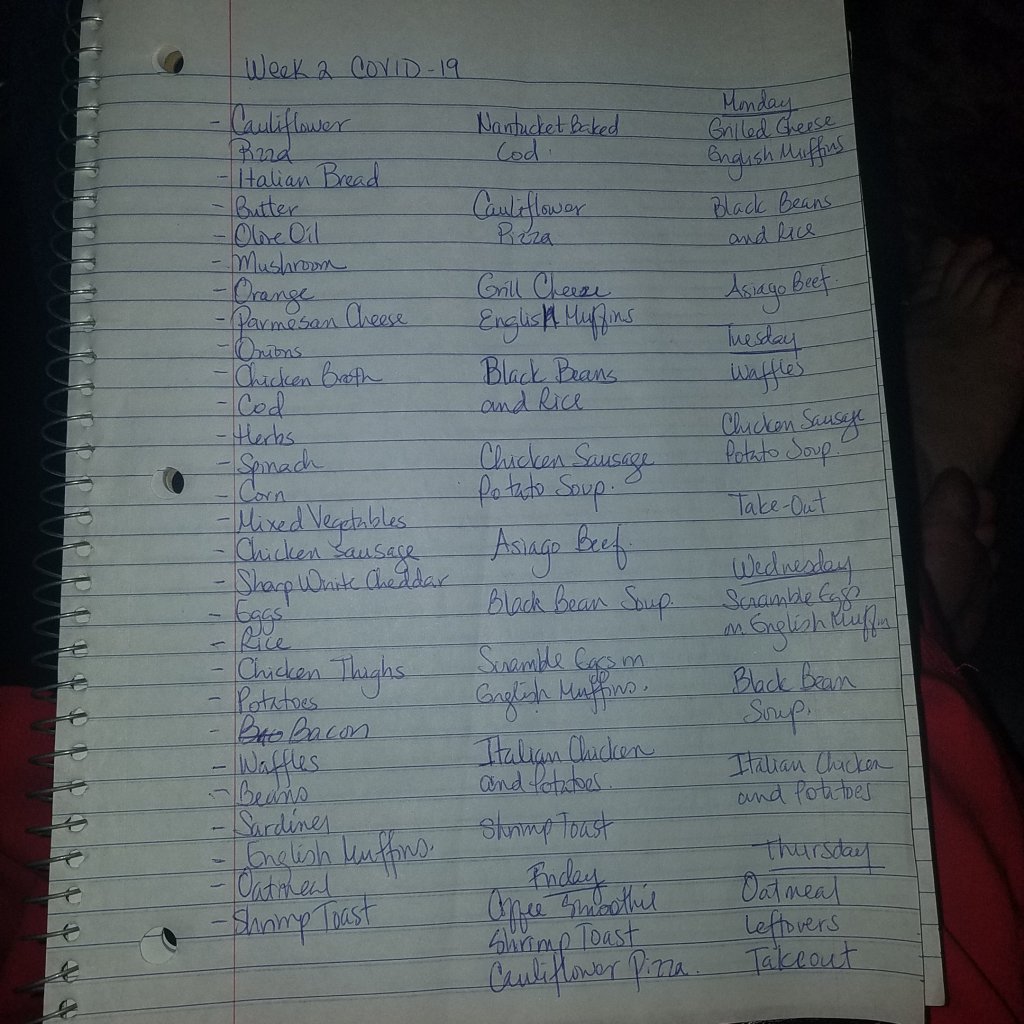
“COVID-19 Lockdown” Game Plan Week 2

Happy to say that Week 1 of the COVID-19 Lockdown was about 80% successful. I have been able to keep up with the steps which is essentially my meal schedule rather than food prep because my brain was not there to organize my meals. Part of that is just getting back into the groove and gaining momentum to eventually food prep for bigger and better meals.

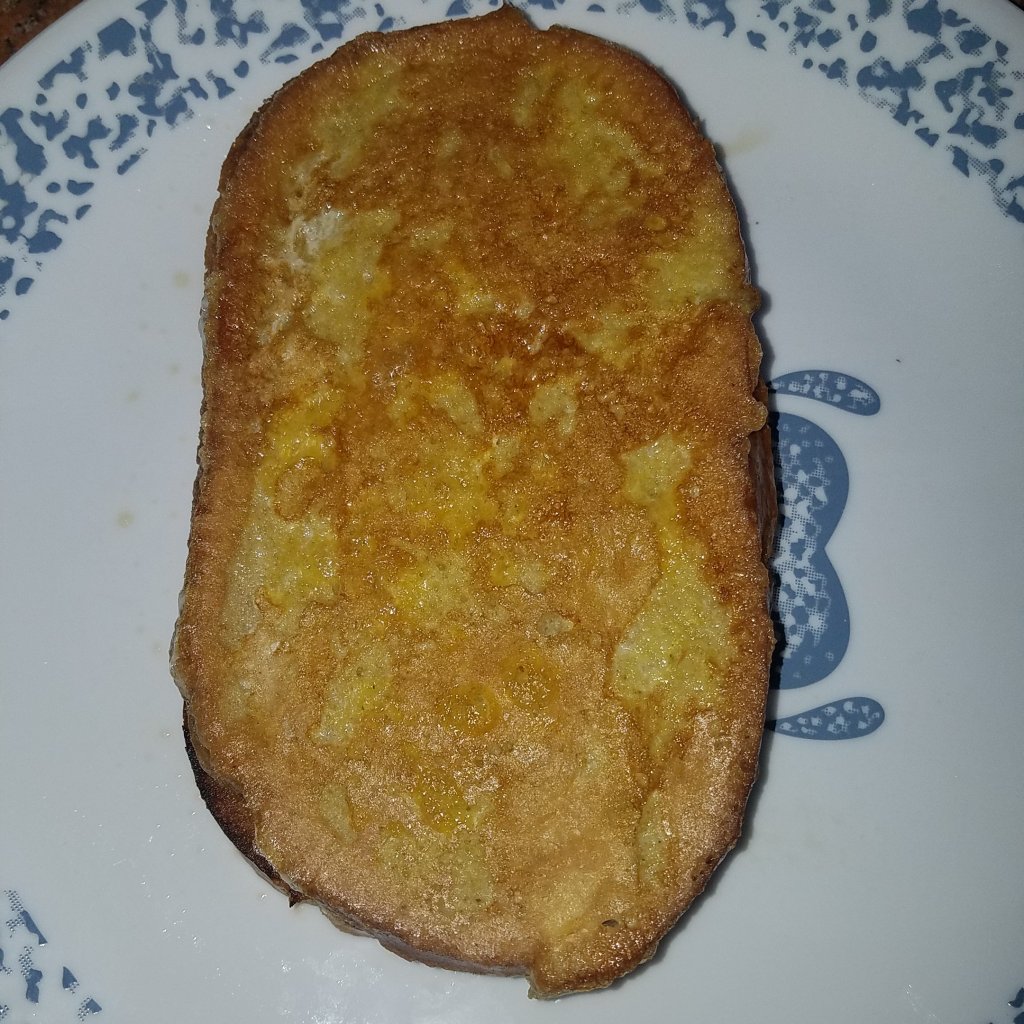
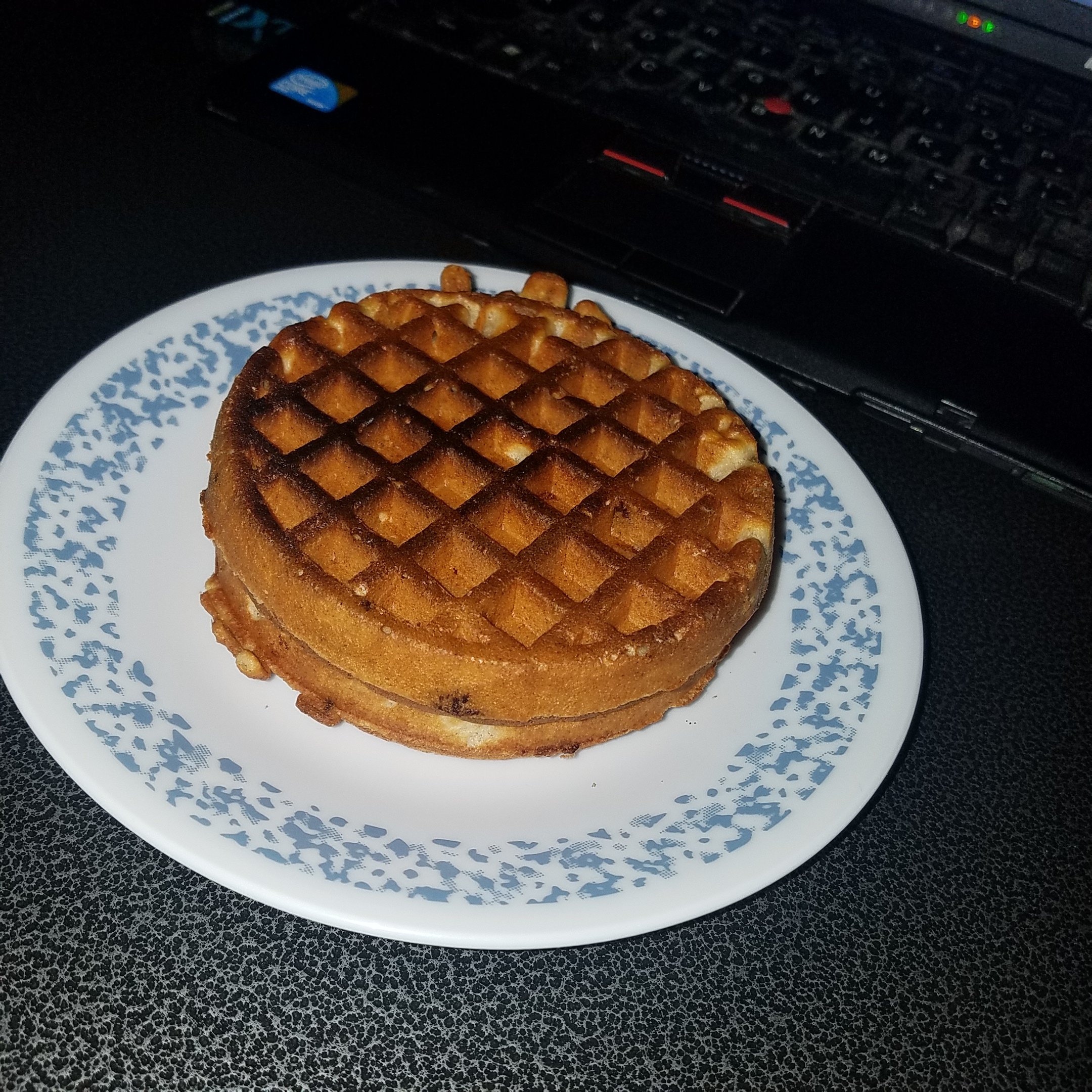
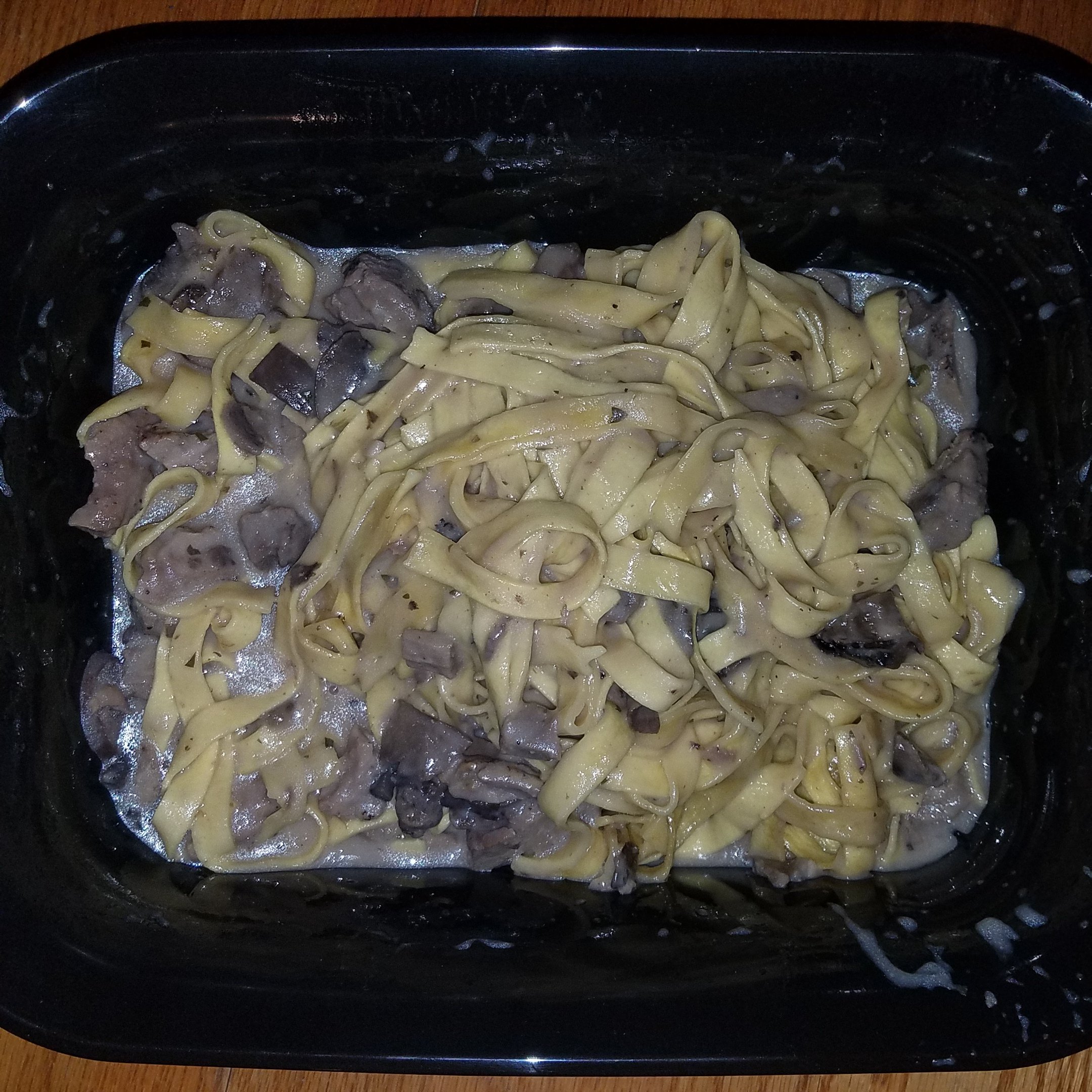
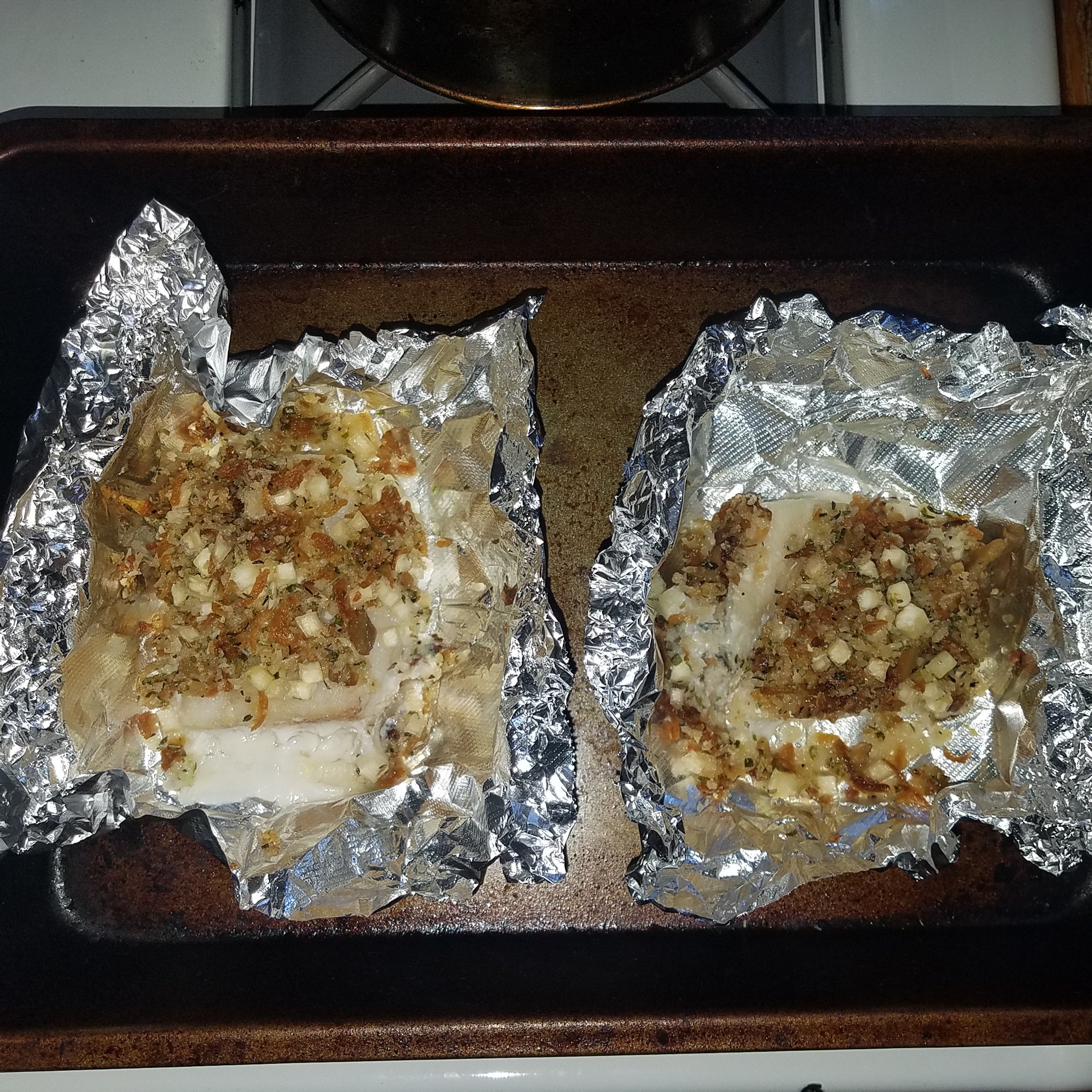
Here are my pictures from last week’s game plan meals including the Rye French Toast:

Rye French Toast
Alpha Food Pot Pie Beefy Chedd’r (vegan)
Kodiak Cake Chocolate Chip Protein Waffles
Lentil Stew
Fettuccine with Mushroom and Steak Sauce
Fishpeople’s Cod with garlic parmesan potato bacon topping
Bacon wrapped carrots
Parmesan Bacon Orzo with Roasted Carrots and Onion

We have entered week 2 of the COVID-19 Lockdown and things in New York City has gotten worse. The lock down has now extended to another two weeks. There will be no Holy Week services, which I look forward too. However, I have been spiritually more involved in watching live streaming services online.

Given all that is going on I feel lucky and blessed. I am very thankful to God and the good spirits that I have a roof over my head and a job at least for two months. So making every effort to work for the glory of God because HE controls our fate.

In order to stay in compliance, my other half went to the supermarket while I worked from home. This week’s game plan also has ingredients from last week because there were some changes to the steps from last week.

We would love to hear any feedback regarding this week’s game plan. Stay tuned for pictures of my journey through this game plan. Everyone stay safe and may God Bless America!

“COVID-19 Lockdown” Game Plan

There is so much hysteria to the point that we are on the brink of becoming a martial law country. This lockdown game plan to “flatten the curve” is set up by NYC mayor and governor to hopefully reduce the number of new COVID-19 cases. As a result, I will be working my paid job, which funds this blog remotely. What does this mean?

This means I get the opportunity to hopefully reset and continue where I left off writing this blog. During the past few months I feel like I am getting ghosted by social media platforms such as Instagram. The only silver lining is that businesses and owner have liked my posts but there are so few of them.

When I launched this blog back in 2016, I had a vision that it would progressively grow and turn it into a career that is fulfilling and rewarding. Unfortunately I have experienced a lot of downfalls due to the lack of support and continuously fighting the powerful establishments and potential haters from the past who feel that they are entitled to any achievement on my own through emotional blackmail and spreading rumors by framing me as the evil, crazy and toxic person because I am finally free.

Still fighting the good fight as these people from the past who knew everything about me inside out are using it against me and taking credit for everything I have worked for including my degrees from Fordham, Hunter and University of Illinois. These same people are bragging to other people that without them I’ll never succeed. Ok..I’ll stop..

Given the circumstances that occurred the last month, normalcy on this end has come to a pause overall. However, I am very thankful to God and the good spirits that I have a roof over my head and a job at least for two months. So making every effort to work for the glory of God because HE controls our fate.

With the exponential increase of COVID-19 cases in NYC and in Long Island, and the origin of this debilitating and mysterious virus came from China, there is also an increase in hate crime against Chinese and Asian Americans because people are ignorant. I am thankful that I have not had that experience personally but given the fact that I am a first generation Asian American born in America with a background in public health and health communications that is passionate about food, culinary medicine, health, and research.

While COVID-19 is still hot press it is also an important public health issue because through health promotion, advocacy and communication communities are actually complying with the progressive martial law mandates such as social distancing, limiting store hours, working remotely and shutting down non-essential businesses. While these measures are implemented, the long term effects will be the disappearance of human social interaction that is essential to survival.

In order to stay in compliance, we went to the supermarket two days ago and brought 1-2 weeks worth of groceries. So without further ado and after hours of planning here’s the weekday game plan based on what’s available in the present moment:

We would love to hear any feedback regarding this week’s game plan. Stay tuned for pictures of my journey through this game plan. Everyone stay safe and may God Bless America!

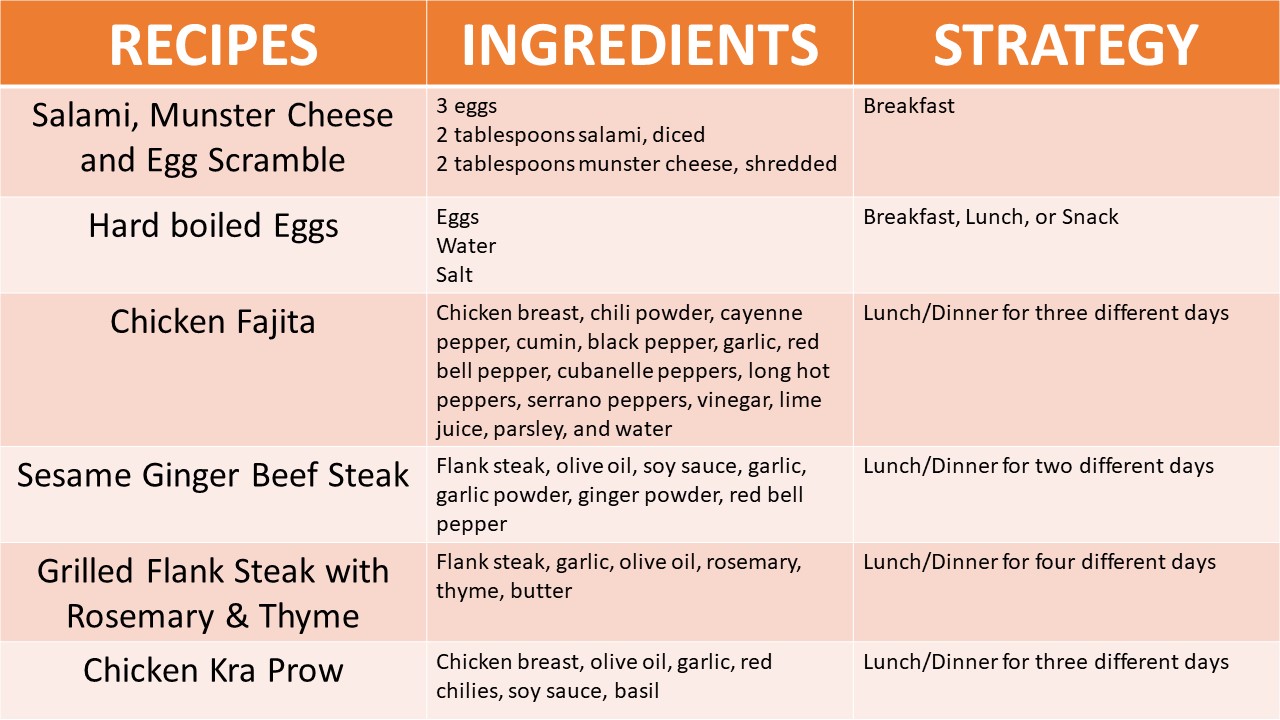
GAME PLAN – High Protein Meal Plan on a Budget

Hello everybody, it has been a six weeks since my last post and I have been working and experimenting on mastering basic cooking techniques that I am proud to share on this blog.

Recently I was glancing through several articles and reviewing food labeling content when I realize do people really know portion control.  For example, on a typical diet, one serving of chicken is 4 oz or 1/2 cup or 8 tablespoons so for about a pound of chicken, total servings would be four people.

Over the weekend we went grocery shopping at Shop Rite and we brought several ingredients to see how many portion meals we can make and how long it would last for under $50.  We created dishes, which will be shown on Instagram throughout the week. These recipes are inspired from Thai and Chinese cuisines in combination with recipes from Ideal Protein.  Here is the game plan that should last at least 7 days:

low carb game plan

Stay tuned for more.  Let us know if you have any questions, concerns, comments or feedback on how to improve this blog.  We are open to suggestions.  Thank you for all your support.


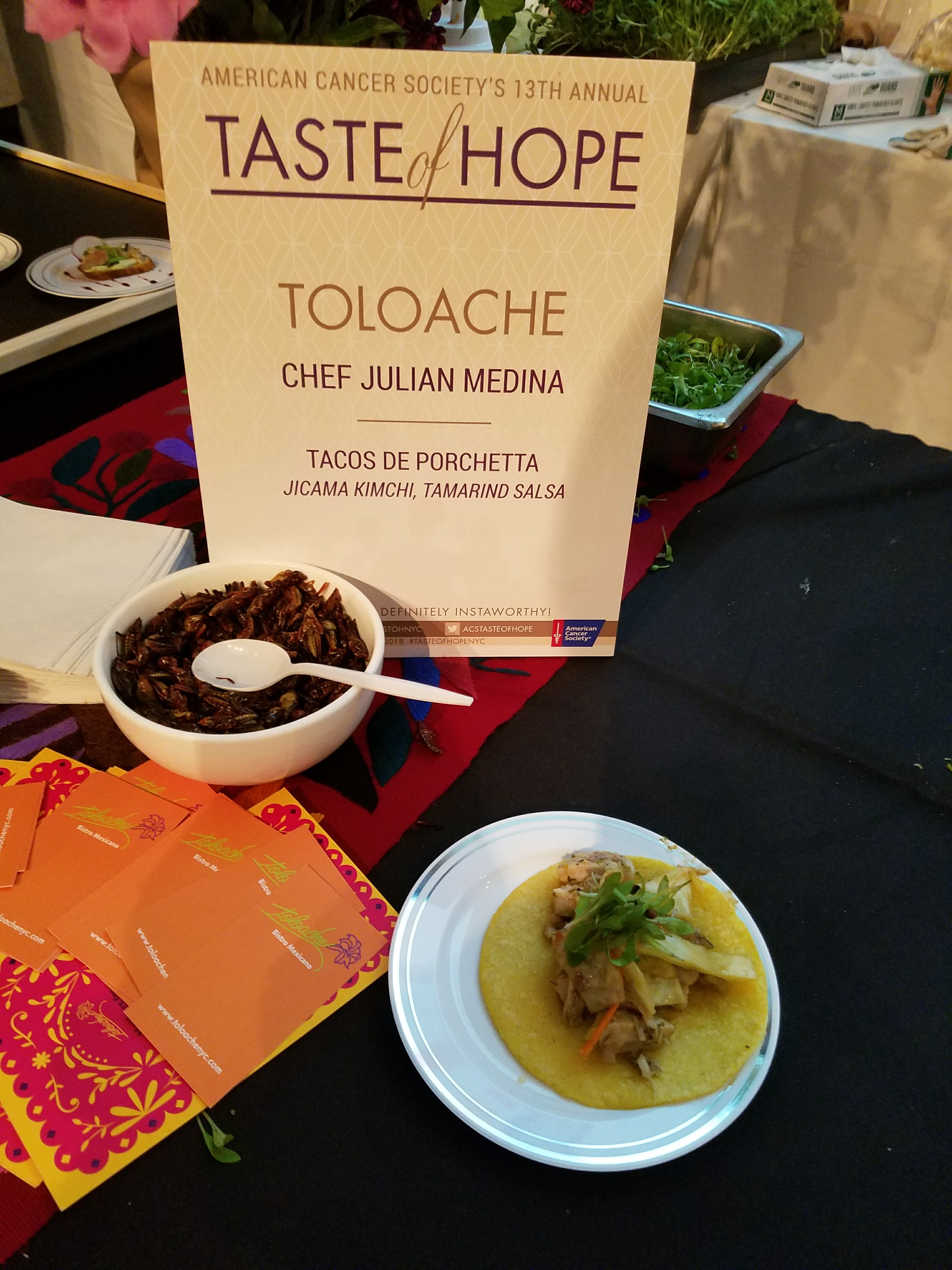
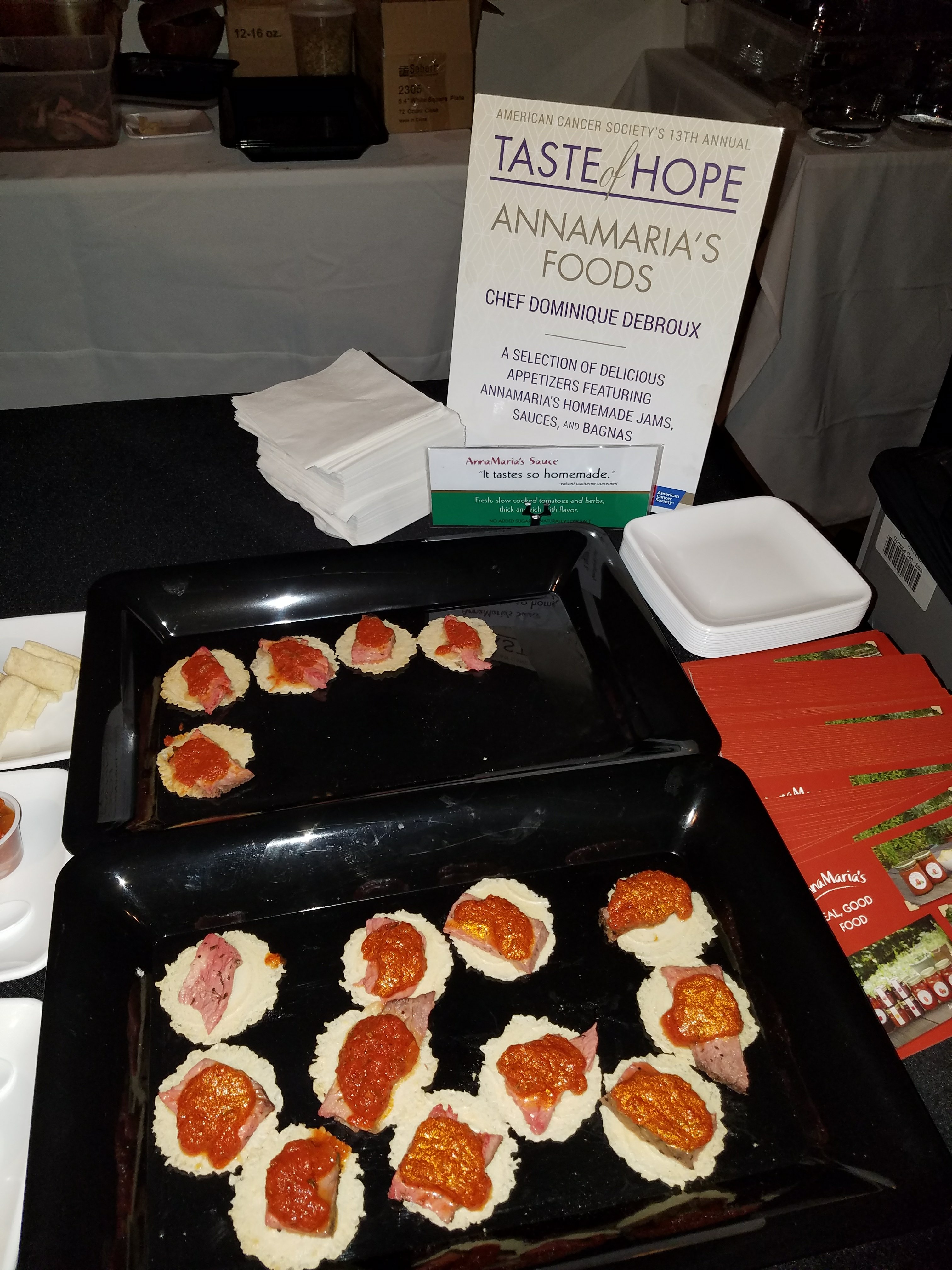
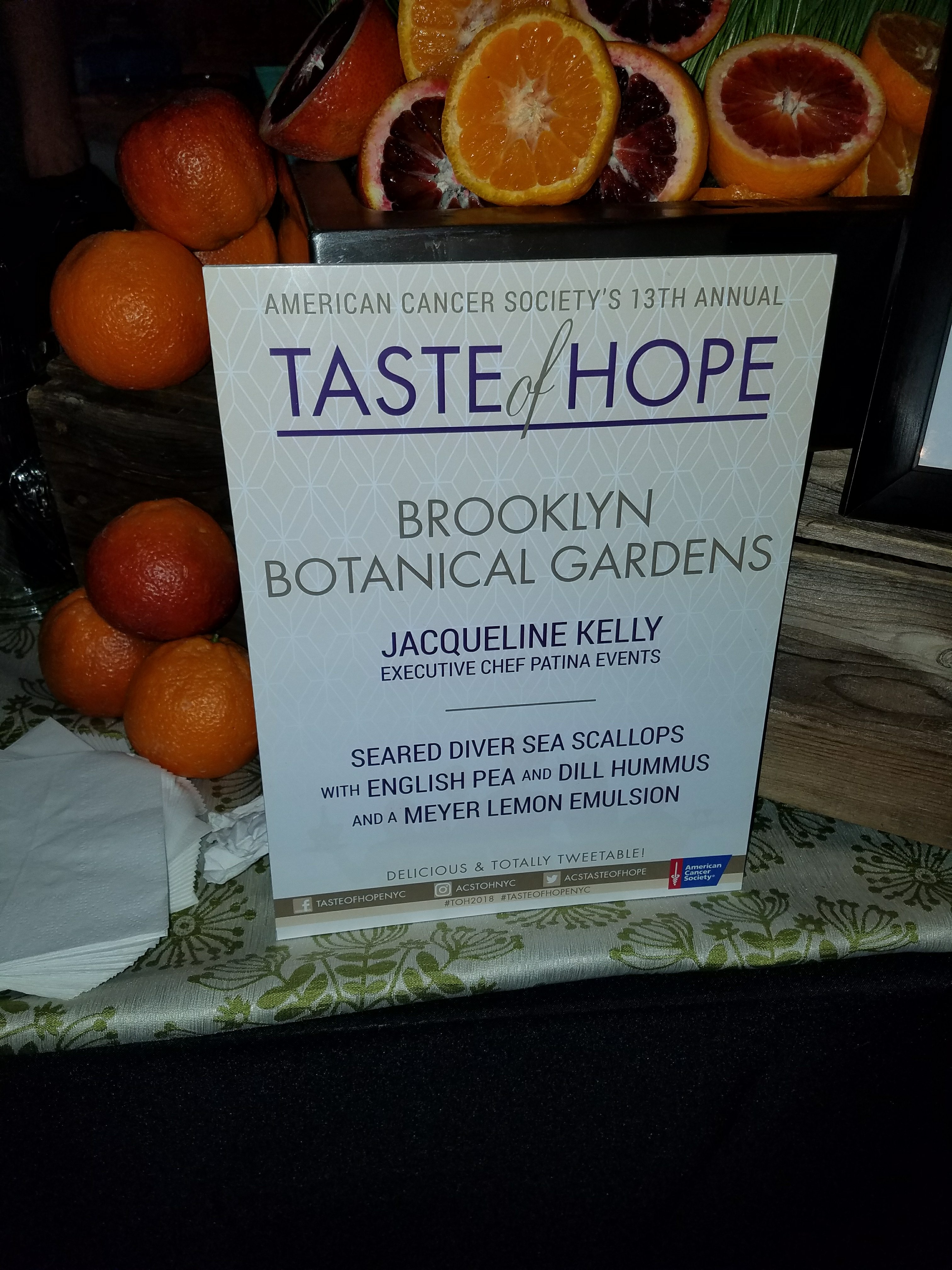
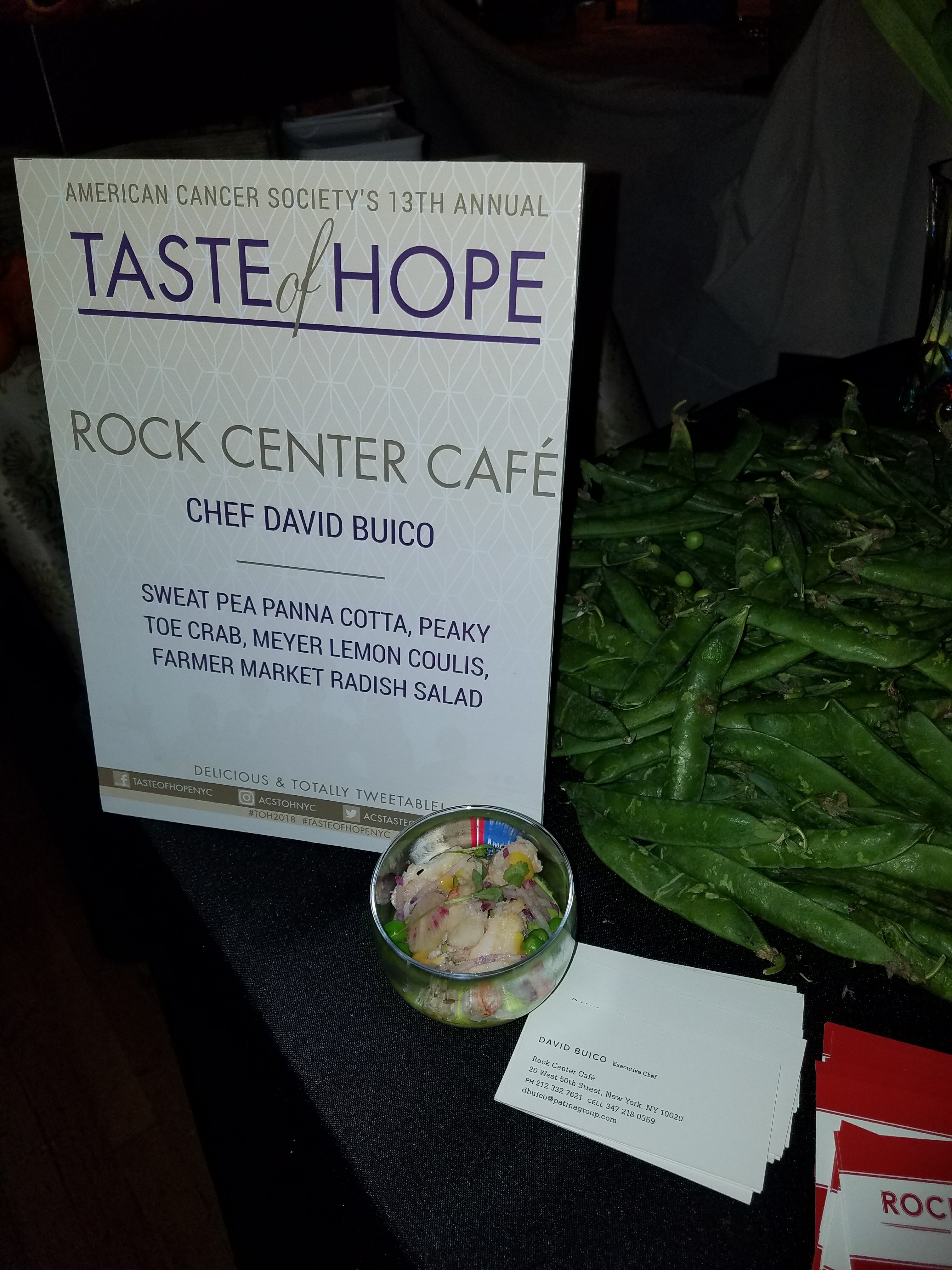
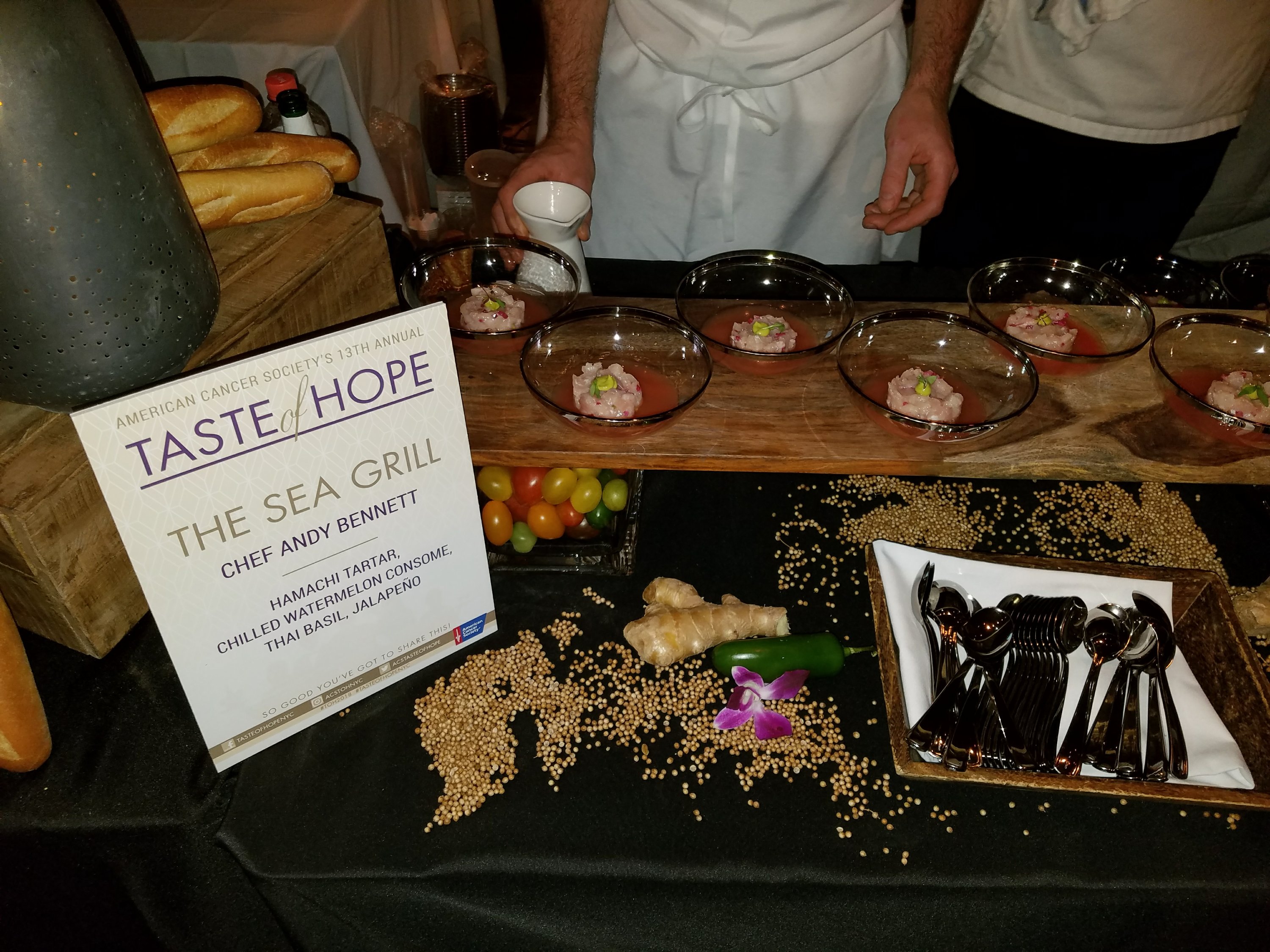
Social Saturday – 13th Annual American Cancer Society Taste of Hope

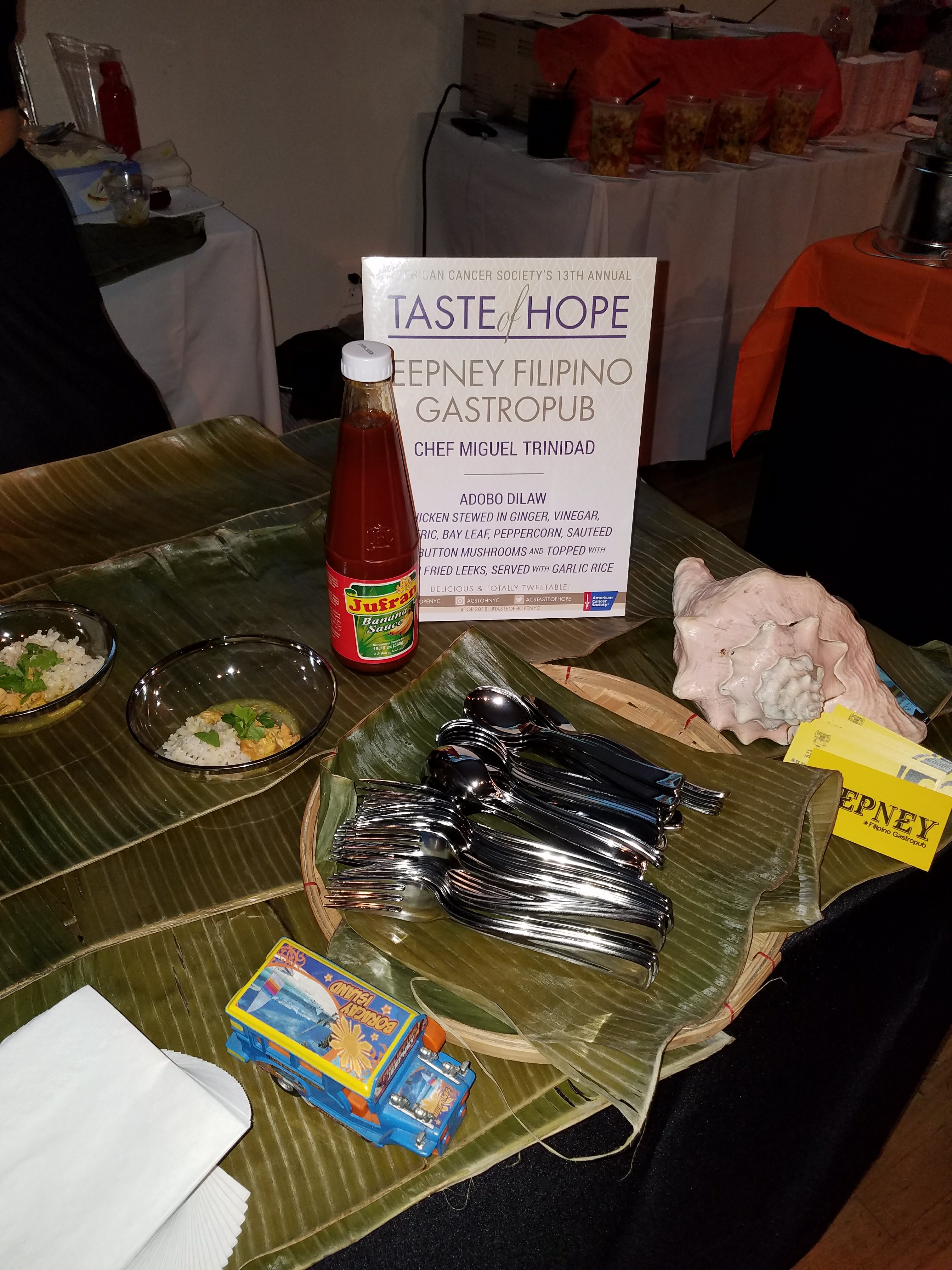
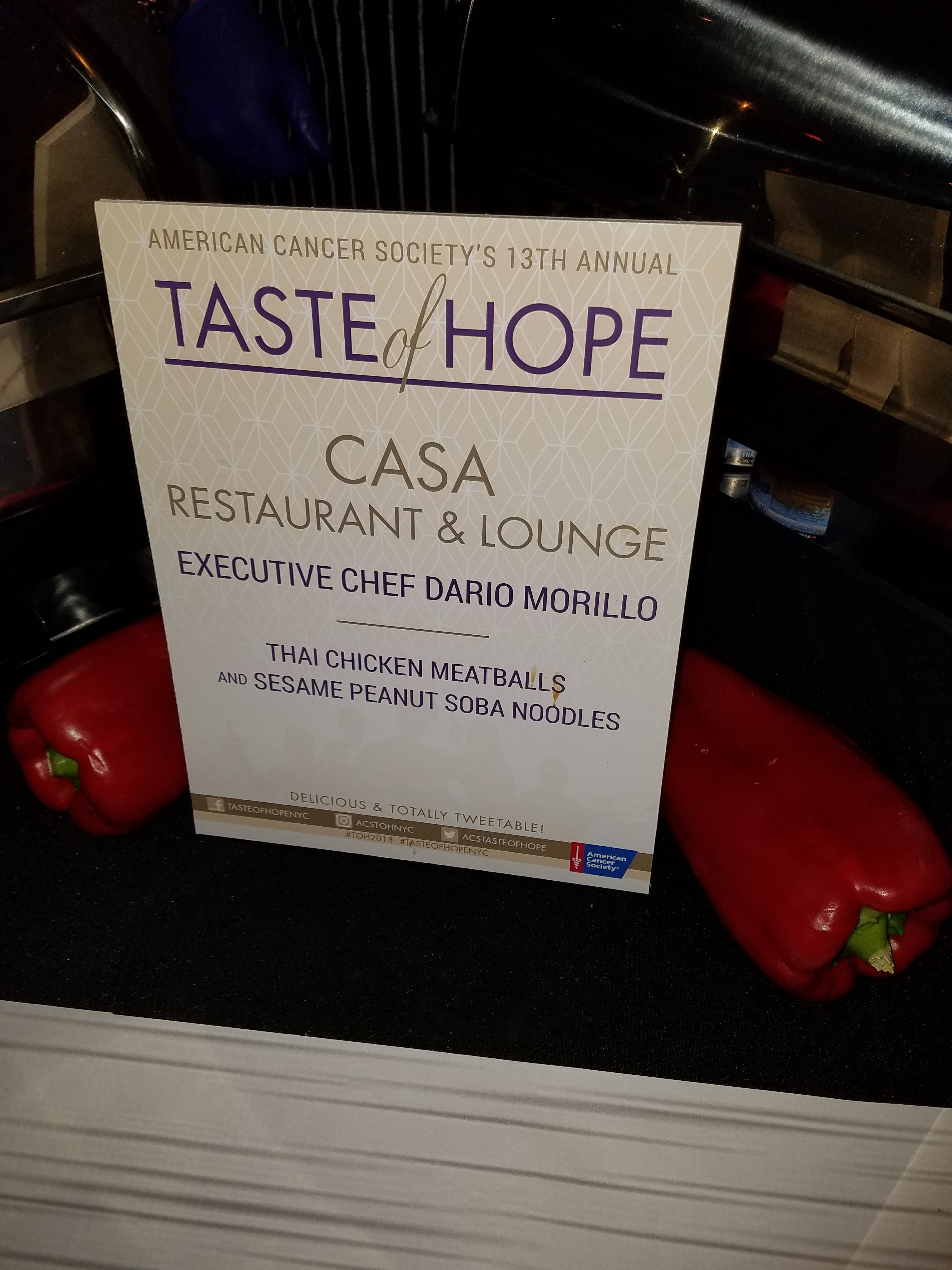
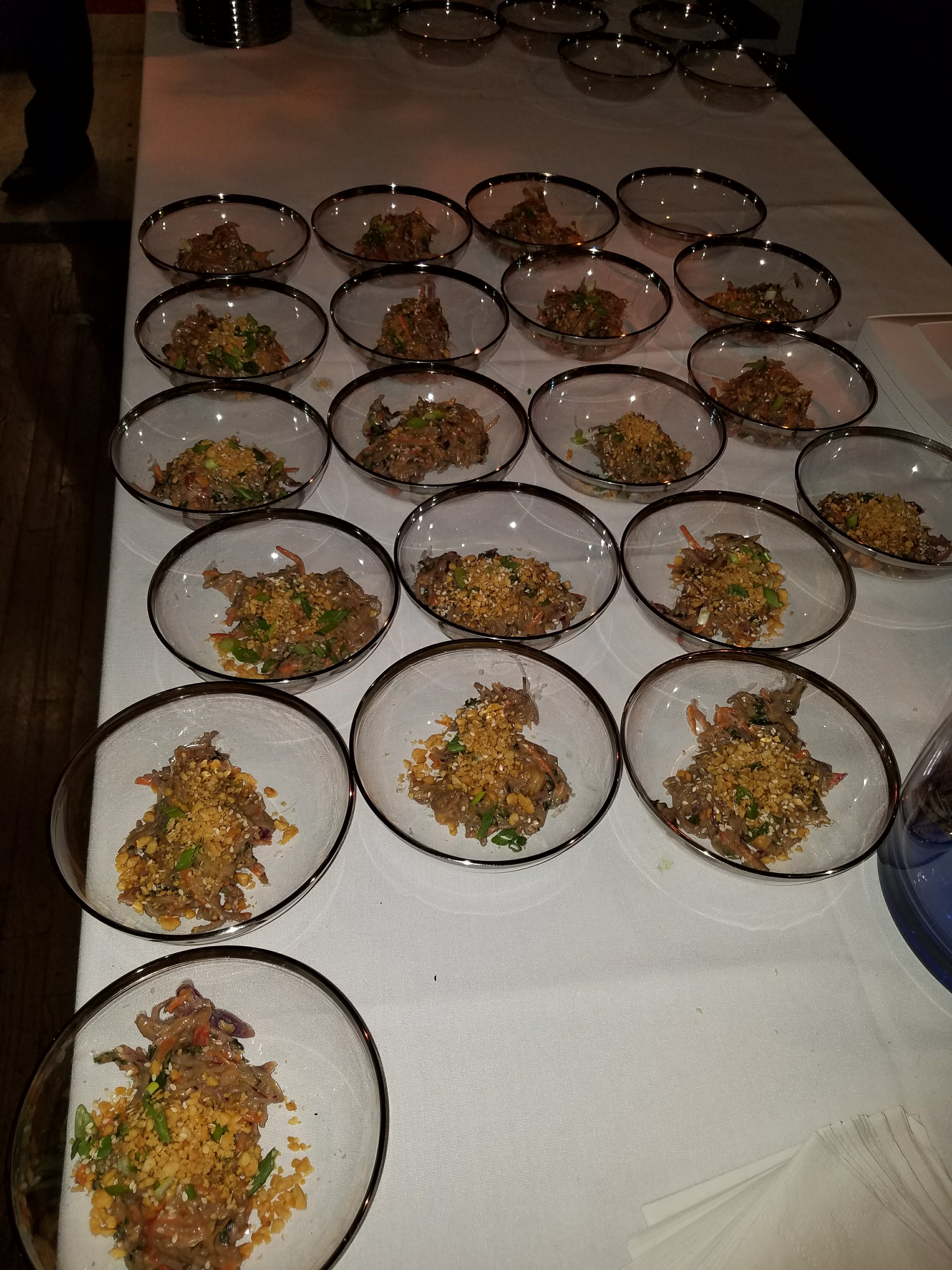
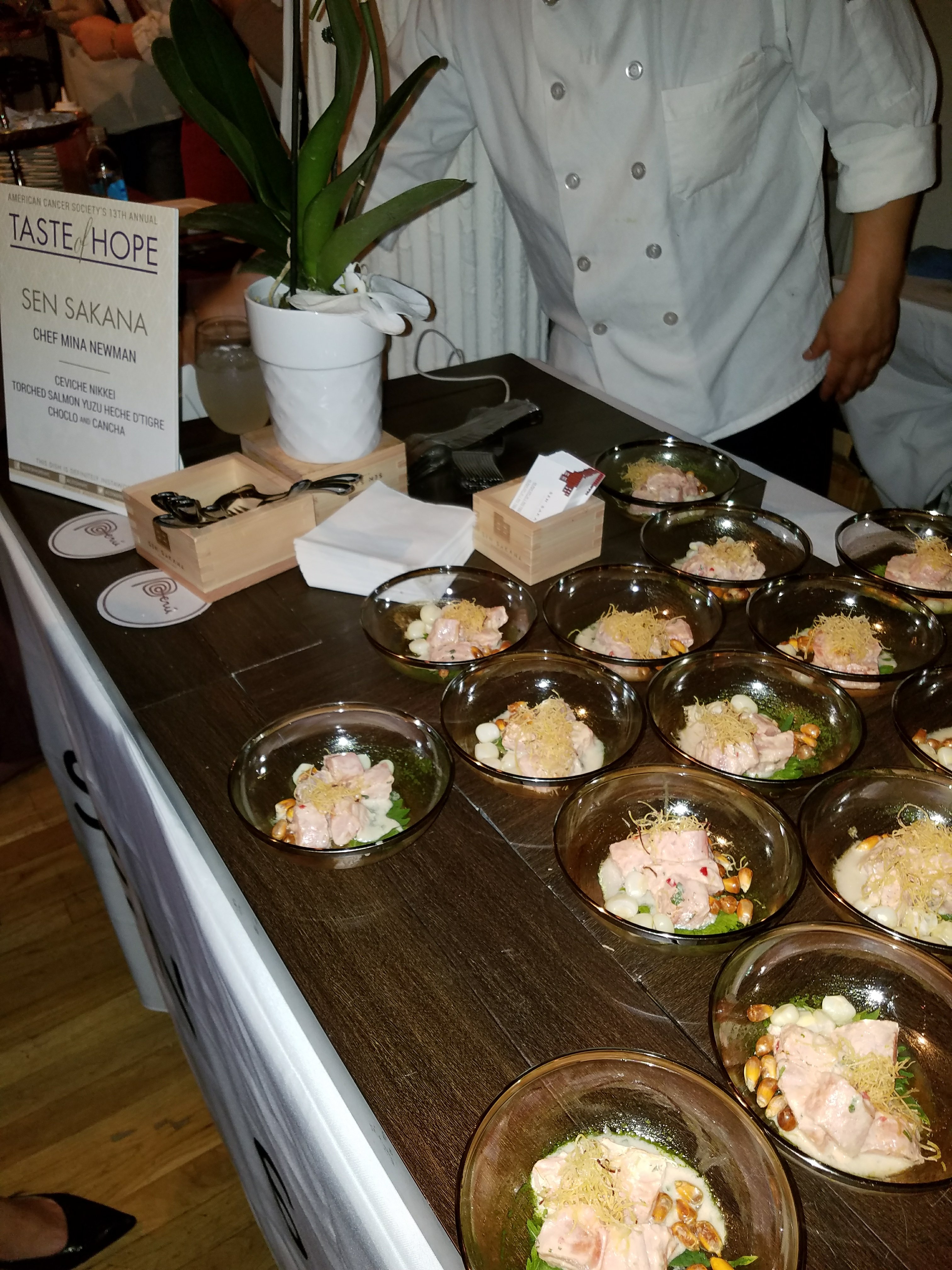
On May 10, 2018, I attended the American Cancer Society 13th Annual Taste of Hope event in New York City. I purchased my VIP ticket at $275 which included a gift bag and early access to the food and festivities.  The event had two honorees:  Sarabeth Levine was this year’s culinary honoree and Chef Antonio Prontelli was this year’s survivor honoree.

My top 5 favorite savory tastings from the event were the:

  • The Smith’s Toasted Ricotta Gnocchi with White Truffle Cream
  • Calle Ocho’s Pastelillos Cubanitos
  • Jing Fong’s BBQ Roast Pork Pastry Puffs
  • Casa Nonna’s Siamese Agnolotti
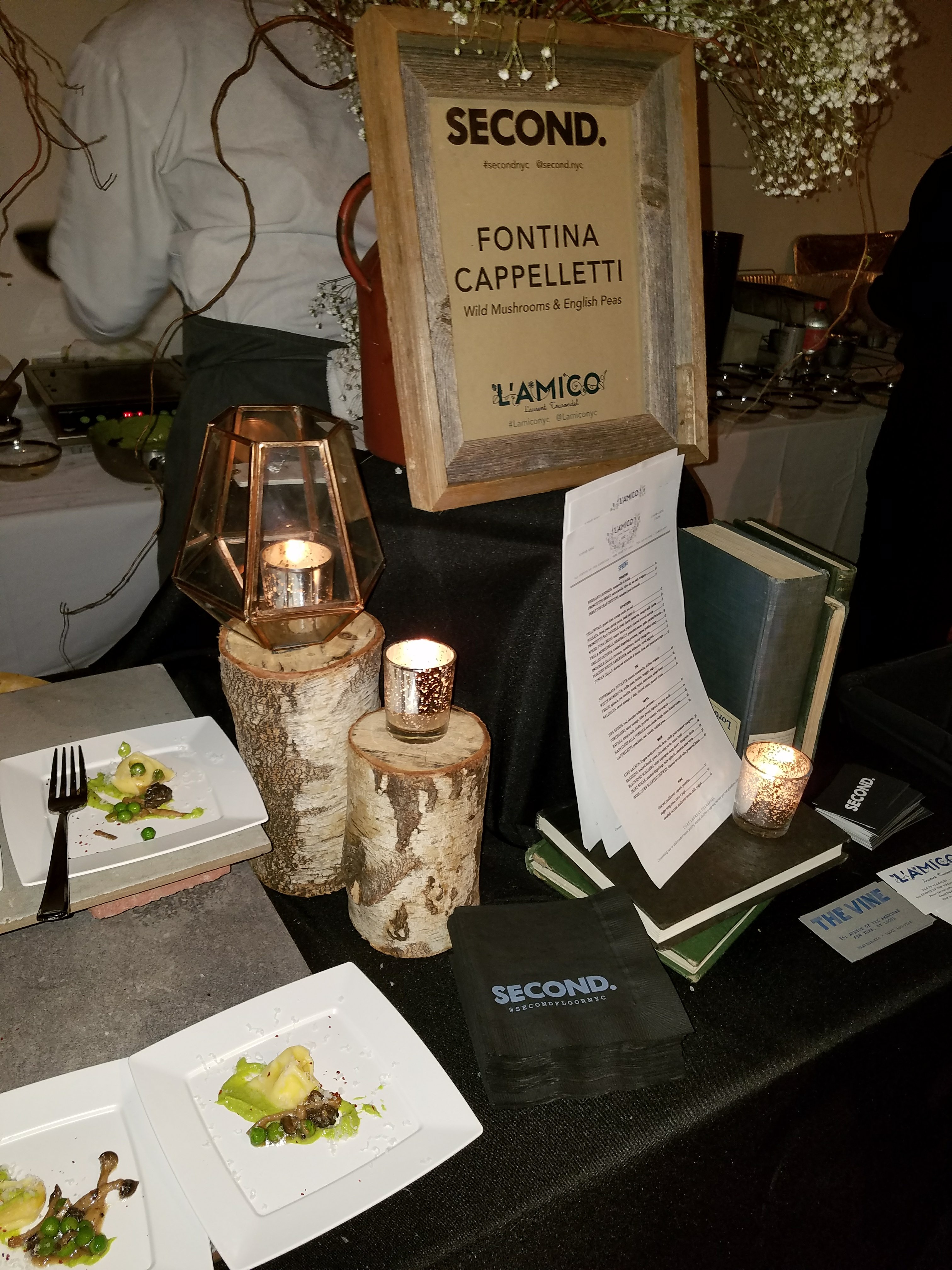
  • L’Amico Fontina Cappelletti with Wild Mushroom and English Peas

My top 5 sweet tastings from the event were the:

  • Bonsai Kakigori’s Strawberries and Cream Kakigori
  • Loi Estiatorio’s Yiaourti Me Meli
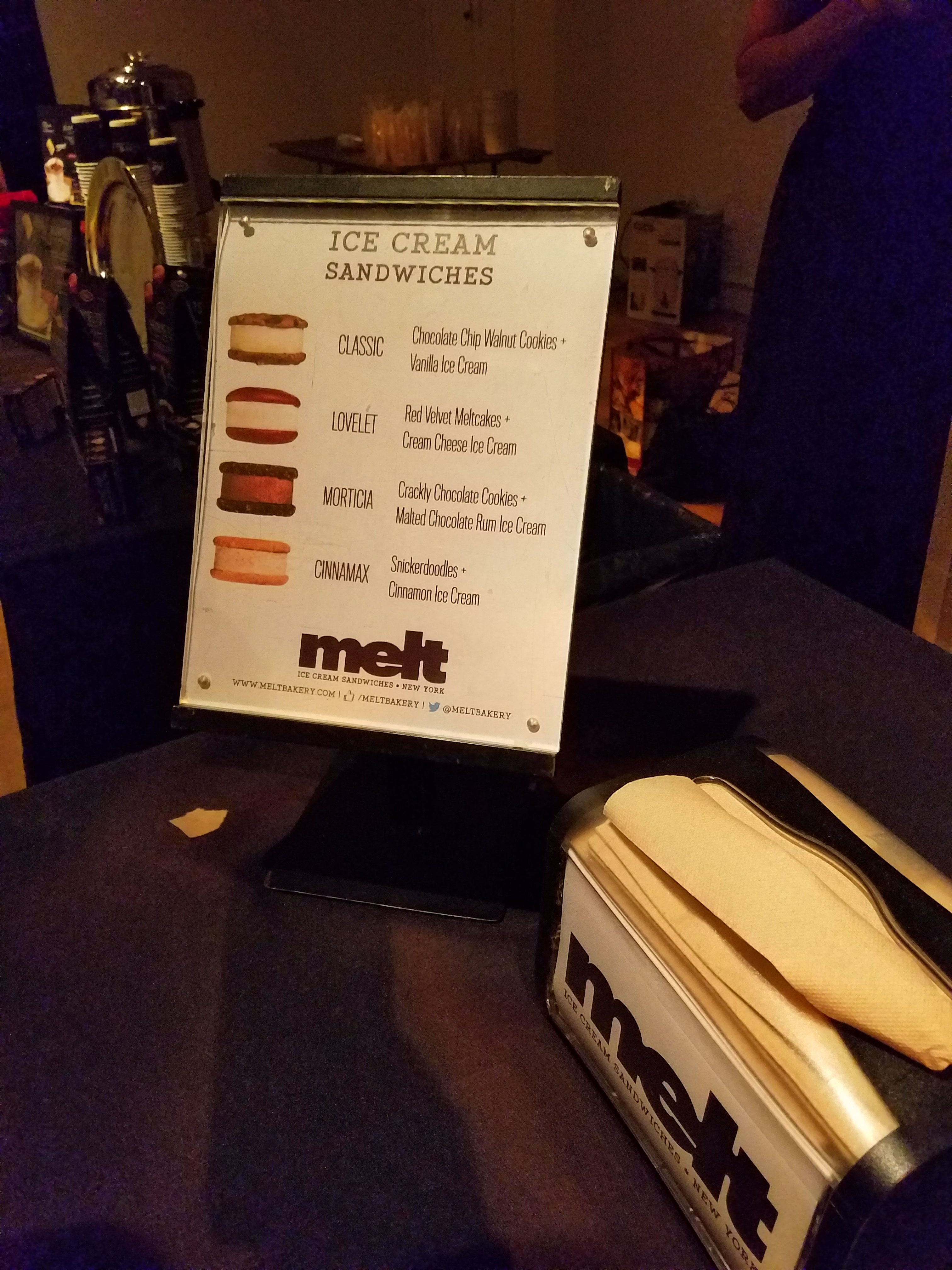
  • Melt Bakery’s Mini Ice Cream Sandwiches
  • Java Melts
  • Frose & Campari Popsicles

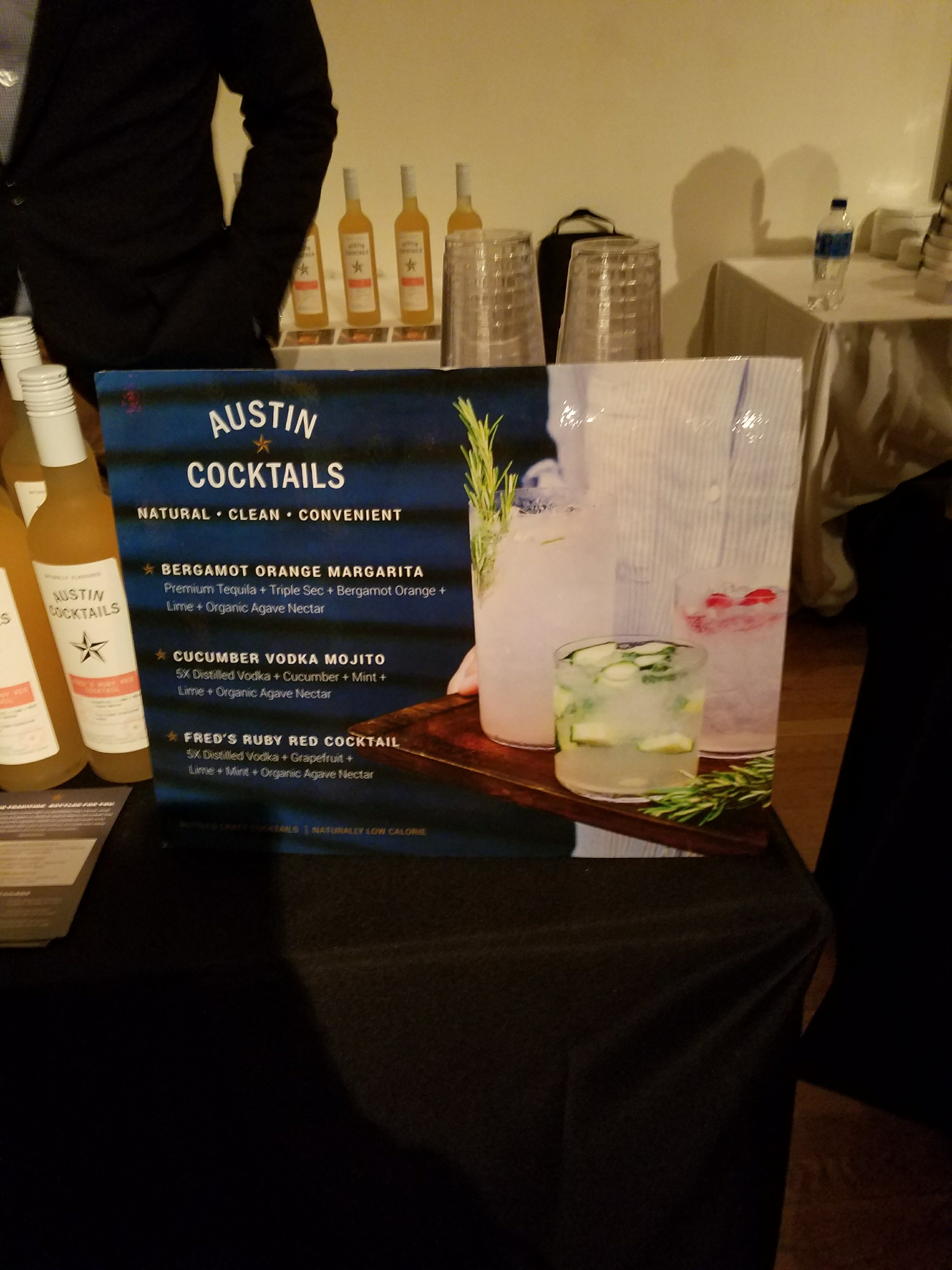
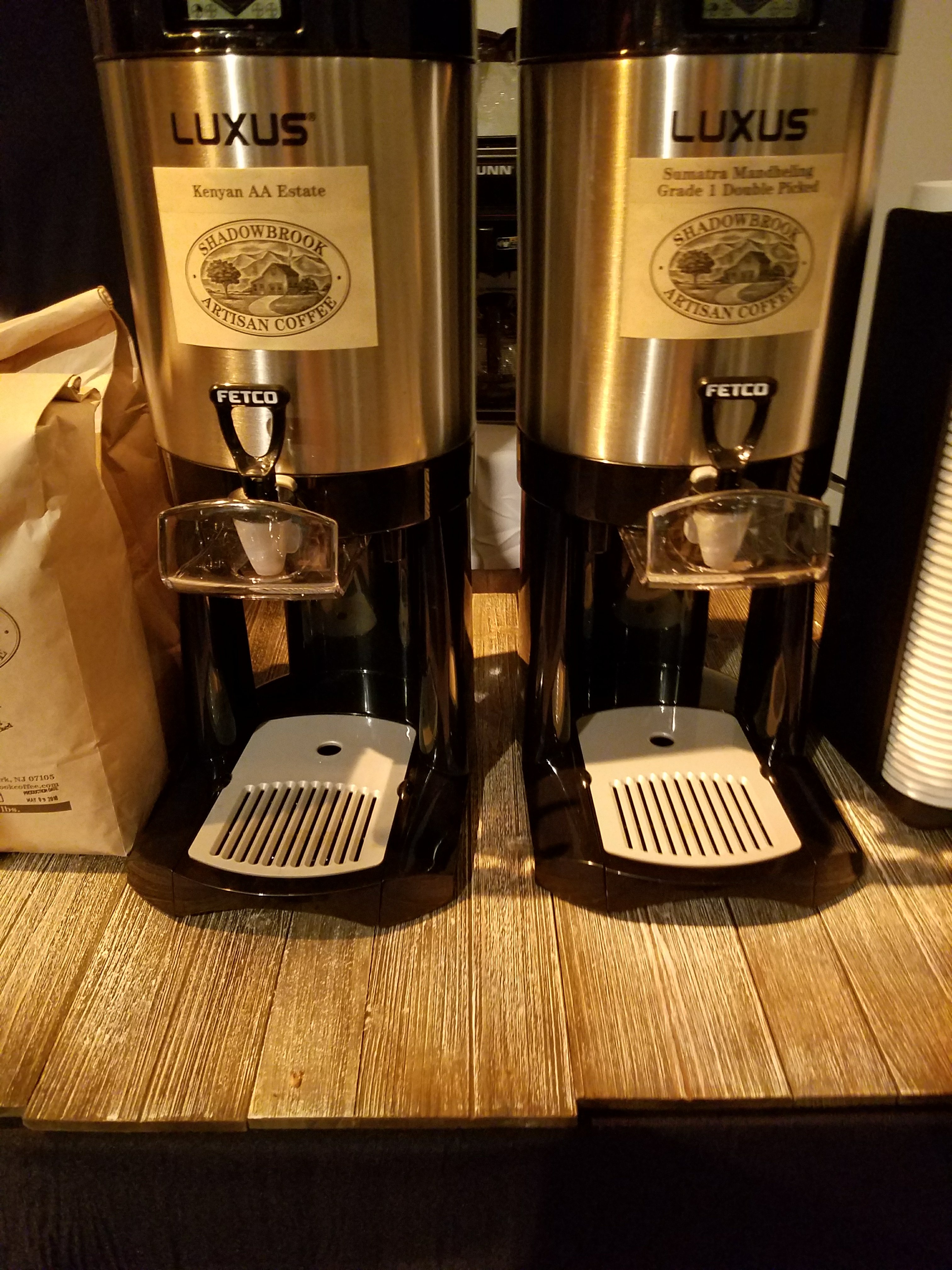
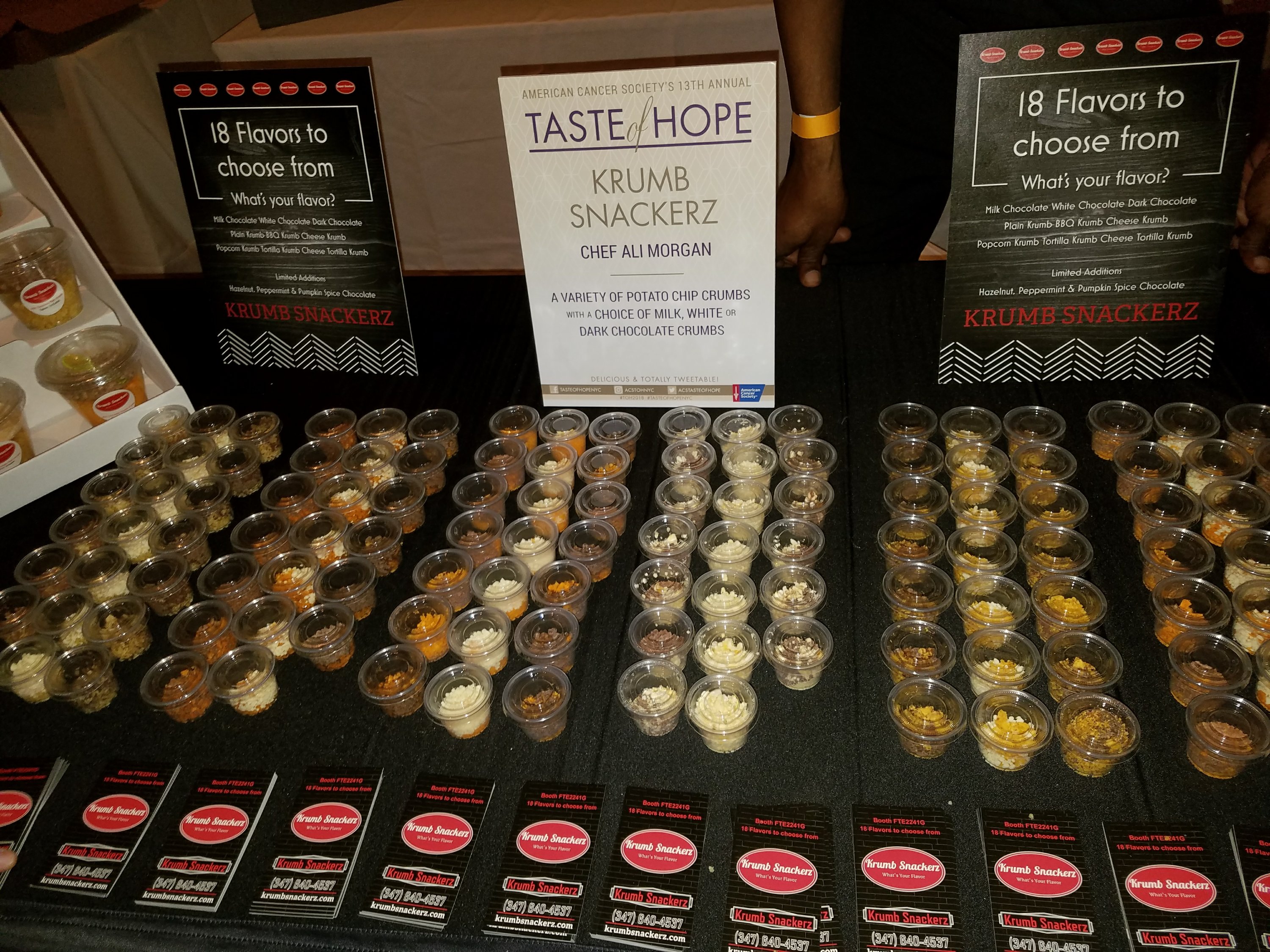
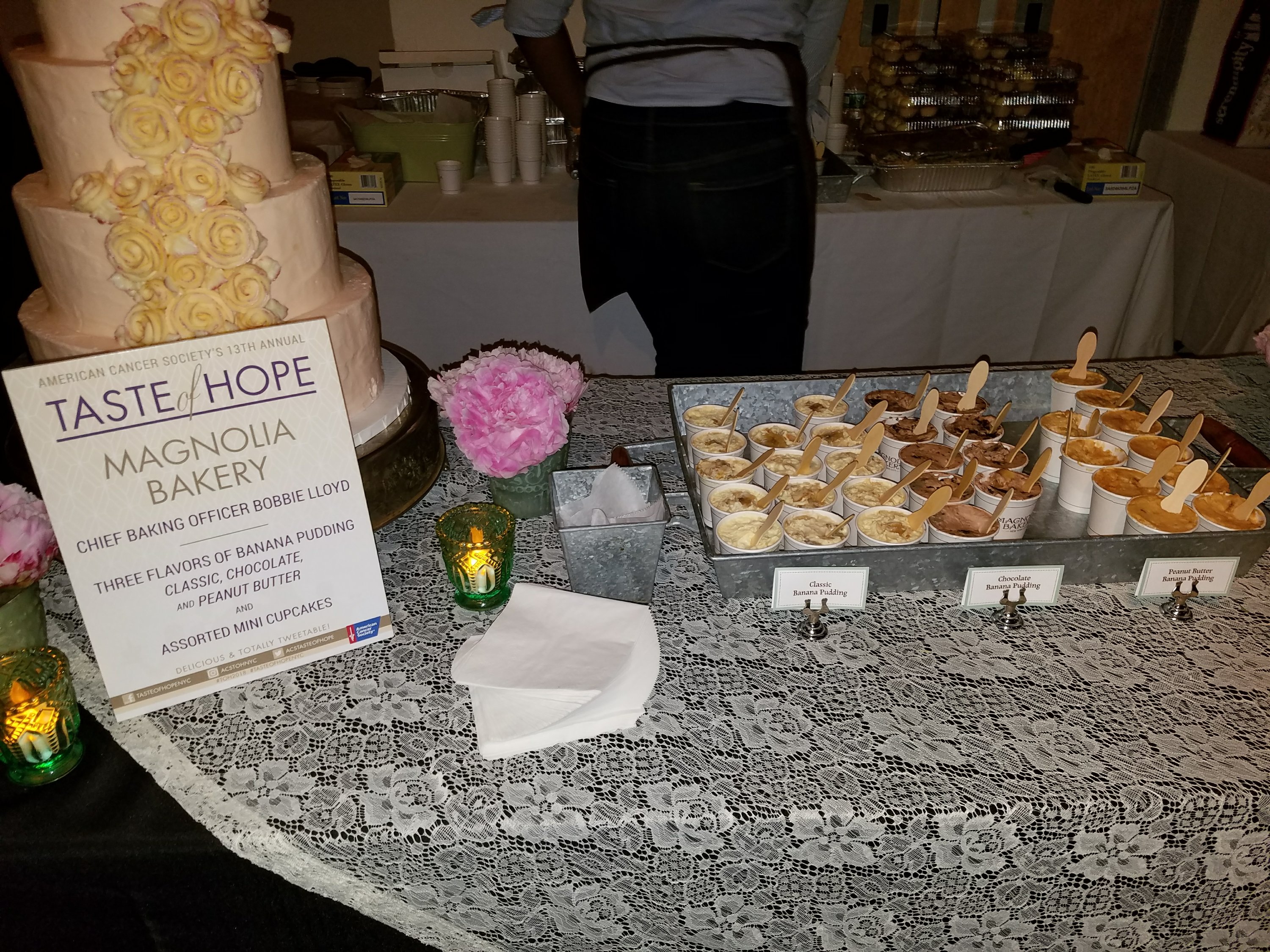
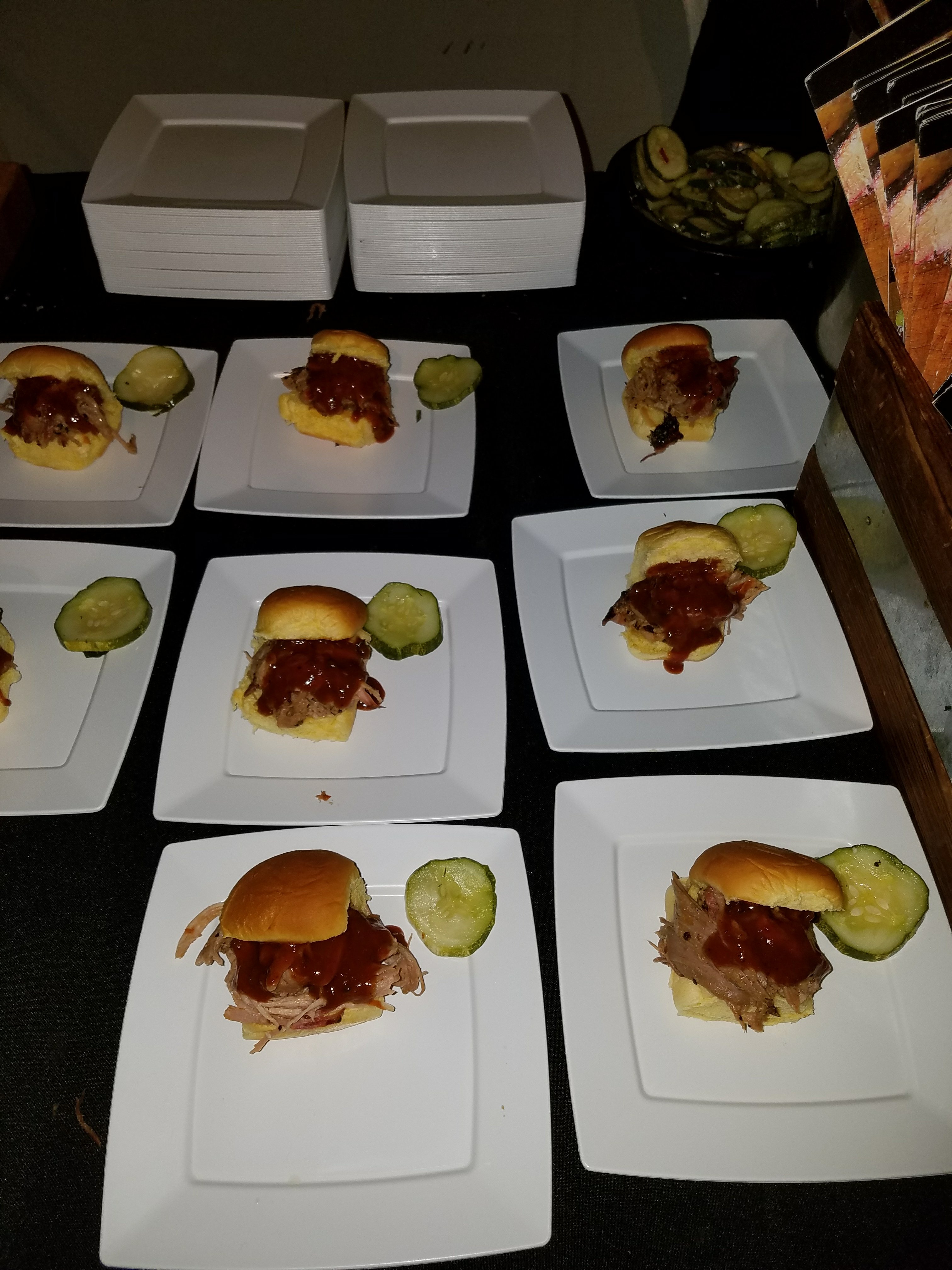
Below are images from the event.

There were a lot more stuff at the event. The event set up gets better and better every year. There were a lot of wine tastings, beer tastings and emerging food companies promoting their products.  More importantly a lot of the food tastings were on the healthier side; there were salad variations, ceviches, and barbecued dishes.

I can’t wait to visit these restaurants during the upcoming restaurant week if they participate.  Stay tuned.

Throwback Thursday – Saigon Casa

Vietnamese crepe

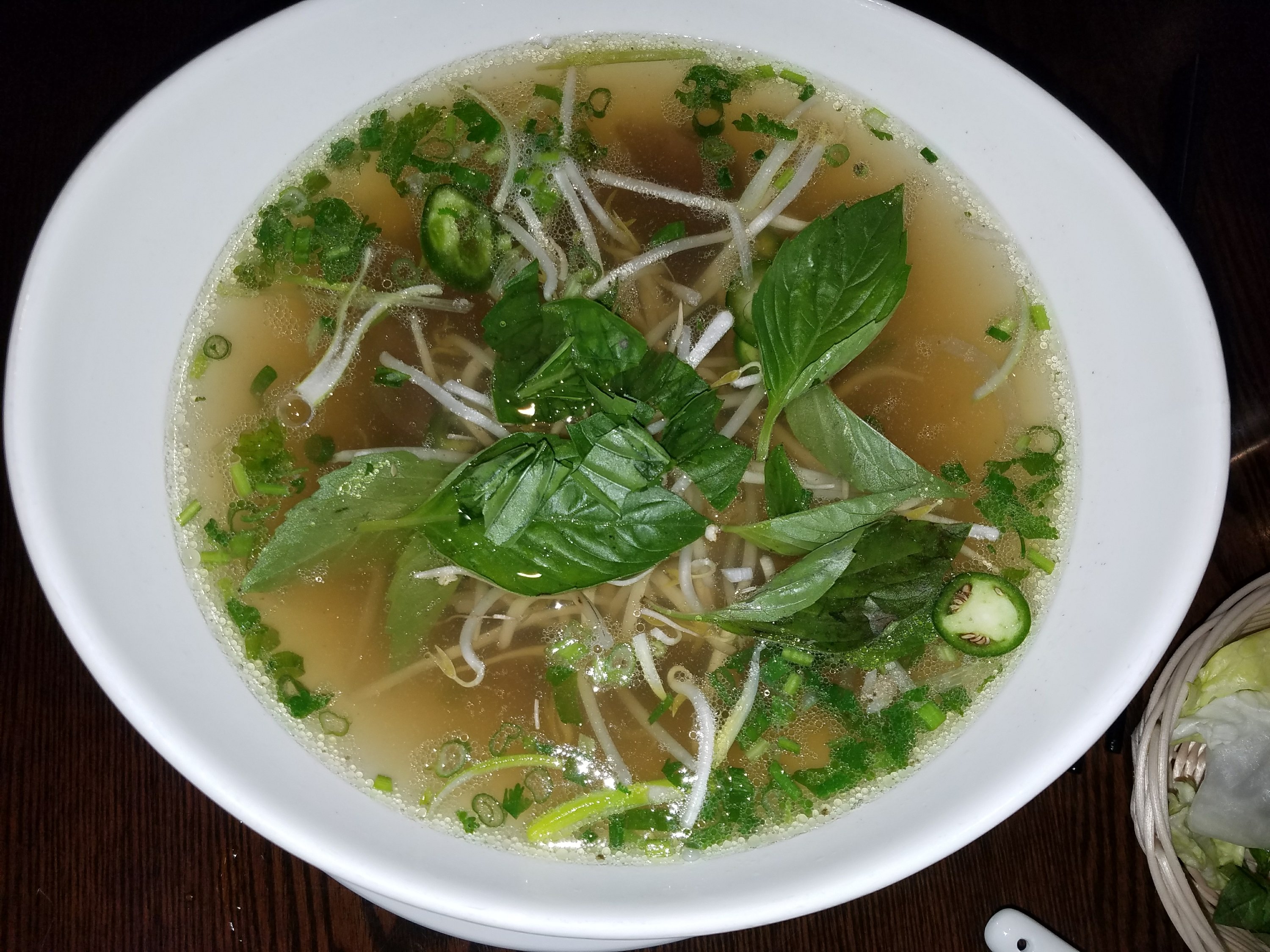
Pho

Six weeks ago we decided to check out Saigon Casa, Vietnamese restaurant in Port Jefferson Station in Long Island.

The menu has limited options in comparison to what I’m used to seeing in other Vietnamese restaurants in Queens.

One of the dishes that we had to order was the pho. There were many types of pho, but we ordered the Pho Tai Nam Gau, which a beef soup containing rare steak, brisket and flank steak with noodles on the side.

The soup tasted good and we loved the fact that we can add the noodles at our discretion to our small bowls. I am still in search and experimenting recipes that replicated the best one I’ve had to date at the Pho Bang in Elmhurst.

Another dish I had was the Vietnamese Sizzling Crepe called Bang Xeo. This crepe was sold as a special item at this restaurant. The dish was huge and it is made of rice flour and tumeric stuffed with shrimp and pork. The dish was delicious and I want to make this dish.

I would like to return to this restaurant to try their other dishes.

Social Saturday – Andaz Kitchen and Bar – Wall Street

Happy Saturday and I’m counting down the days until I’m able to eat food with refined/processed sugar again. As I stated in my last post, I gave up sugar except for the natural sugars in fruits and vegetables for 40 days for Lent. It’s been really challenging and hard especially this last 10 days with the gatherings for St. Patrick’s Day.

Ten days ago I’ve have had the privilege to see a preview of the food and drink at the revived Andaz Kitchen and Bar at the Andaz Wall Street Hotel in Wall Street. Previously named Dina Rata, which I learned was an Indian name meaning moon. It was deceiving that a place with that name was serving Italian food. Anyways, I preferred the new name.

When I arrived, I was greeted with champagne which I did not drink due to the sugar content. However, I settled for the Chianti which has low sugar, thanks to one of the general managers who suggested the wine as he also gave up sugar. The wine went well with my selection of crudites containing fruits, and vegetables with no hummus, dressing and/or dip to avoid the possibility to ingesting sugar.

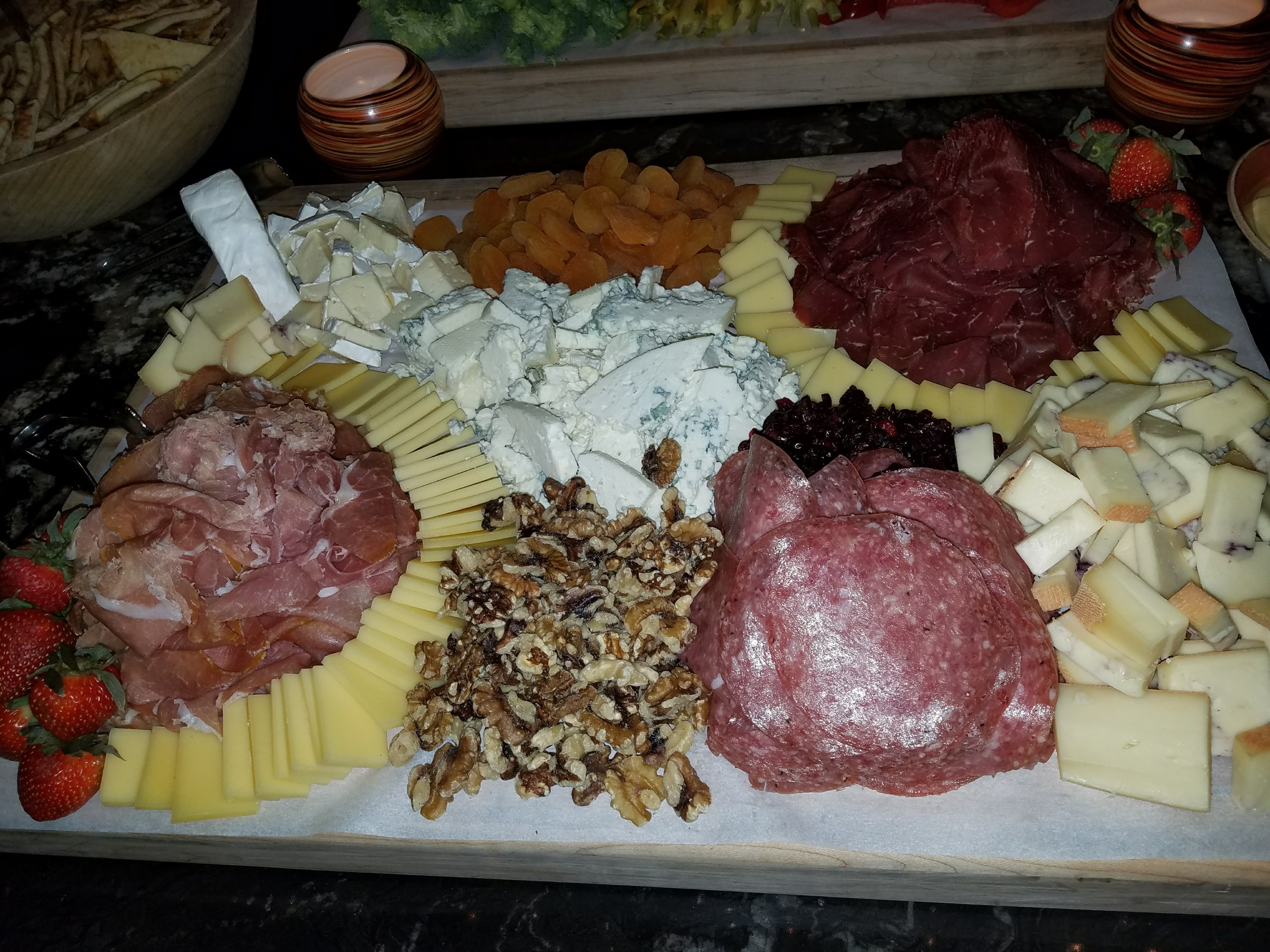
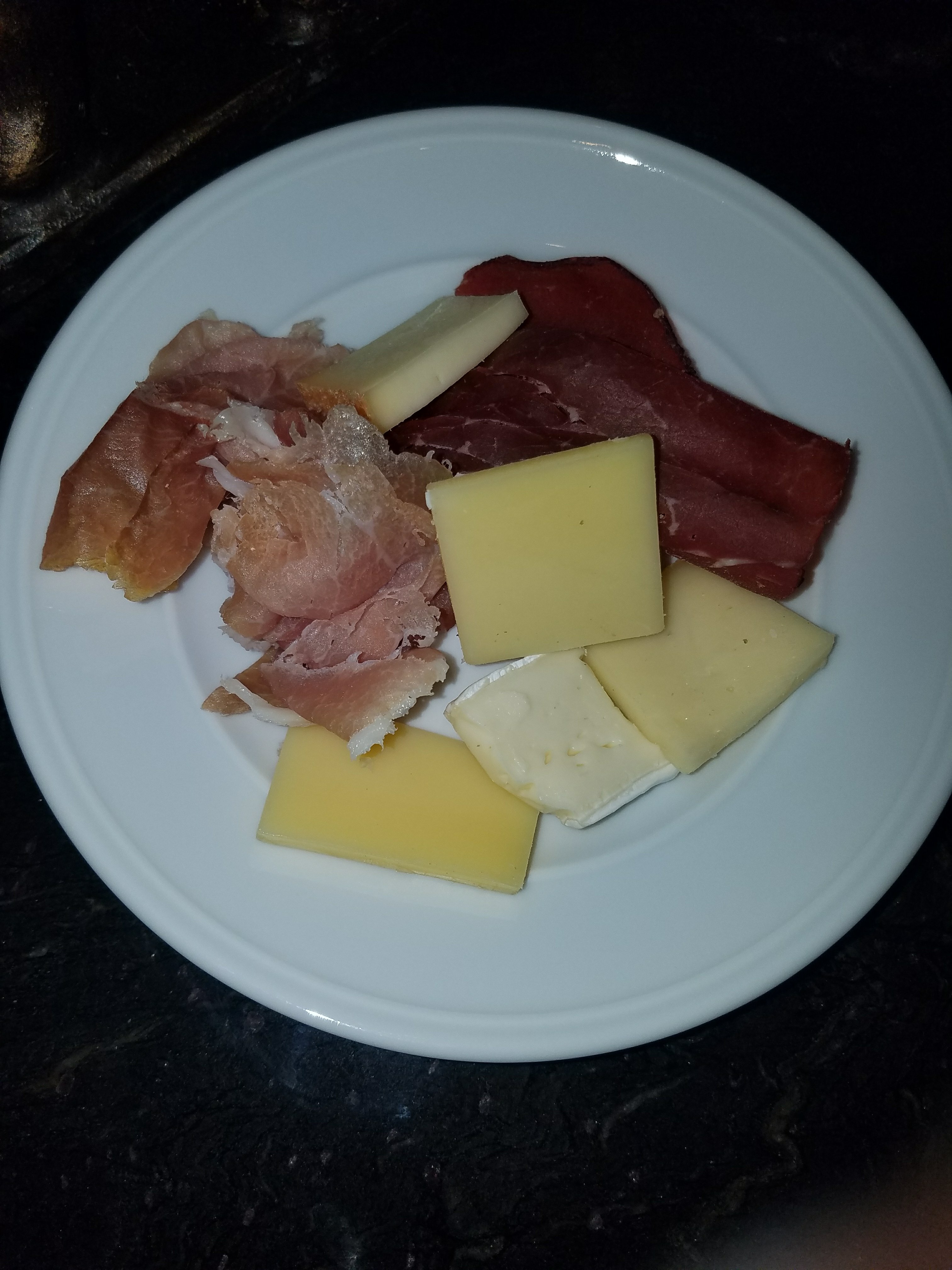
I was impressed by the food display and presentation. I loved the color of the vegetables indicating that it is fresh. I also liked the cheese and cold cuts selection.

Next, the passed food samples from the menu, which included a variety of dishes inspired from different cultures including Jamaica, Dominican Republic, Italy and Vietnam.

Below are images of the food created by Executive Chef Pietro Consorti from the event:

Crudites

Cheese and charcuterie display

Tasting plate of cheese and cold cuts

Tasting plate of fresh and colorful vegetables

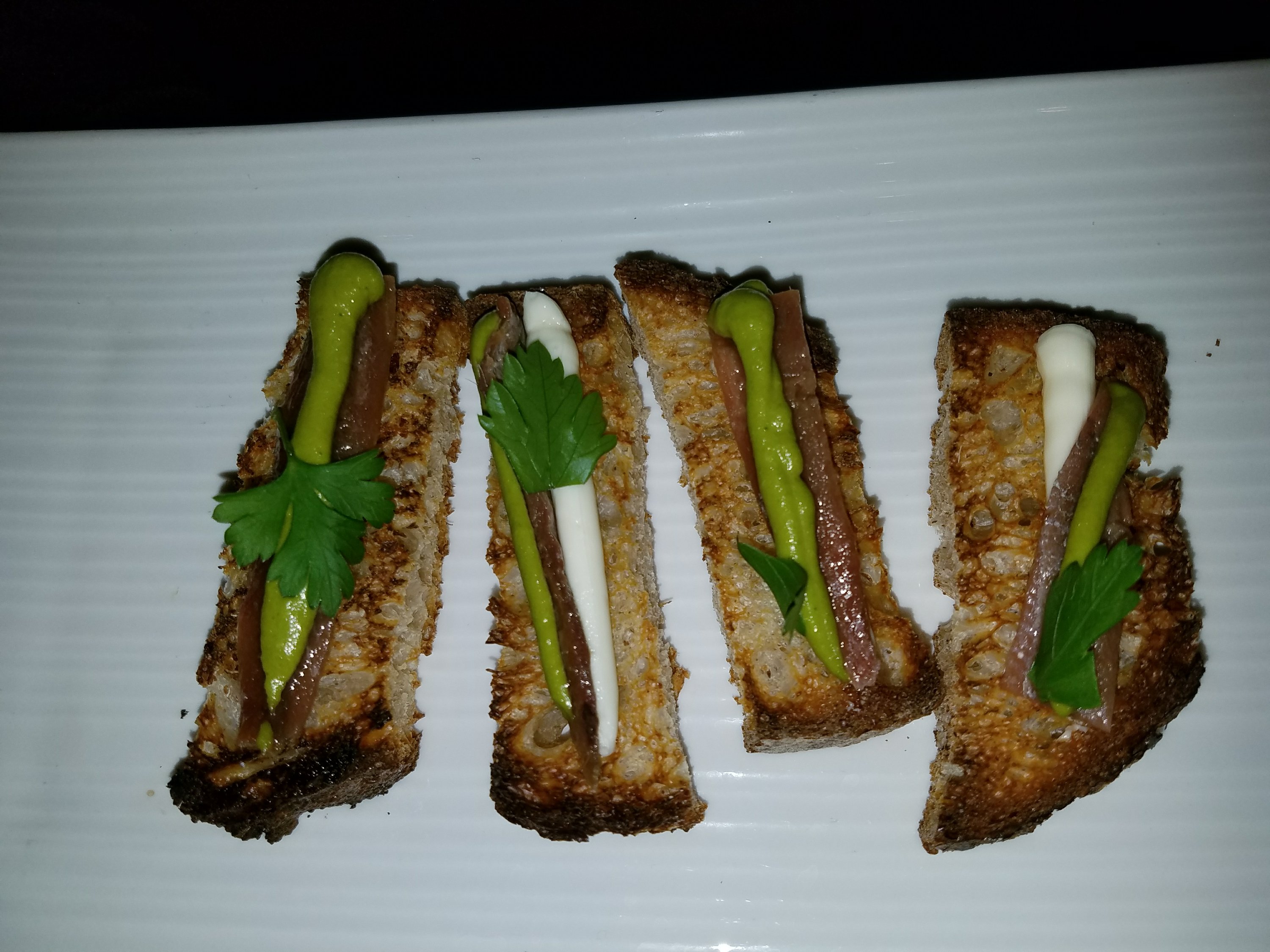
Bread, butter and anchovies

Jerk Pork Sliders

Toasted prosciutto and baguette

Puntarelle e stracciatella

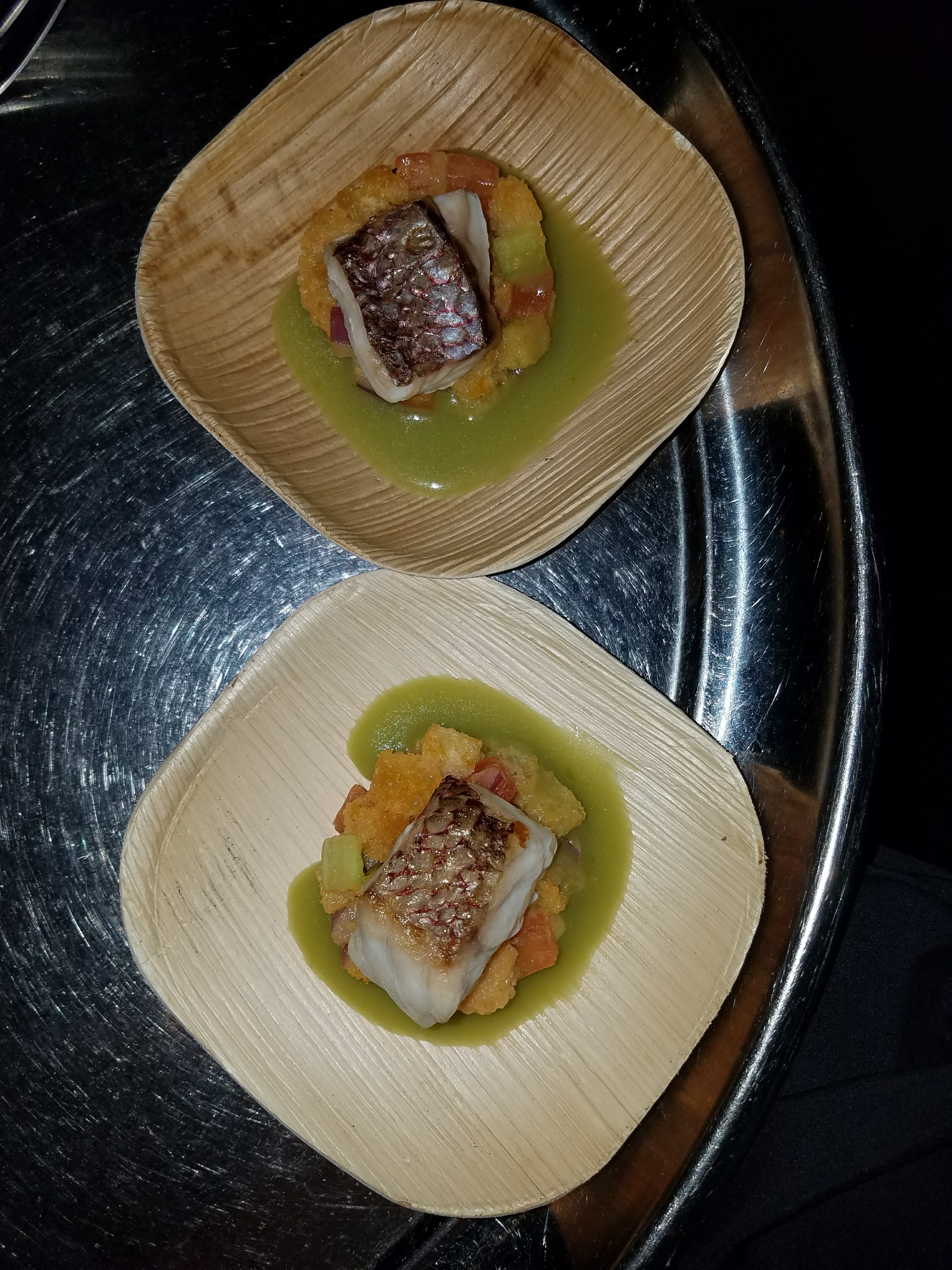
Panzarella red snapper and green olives

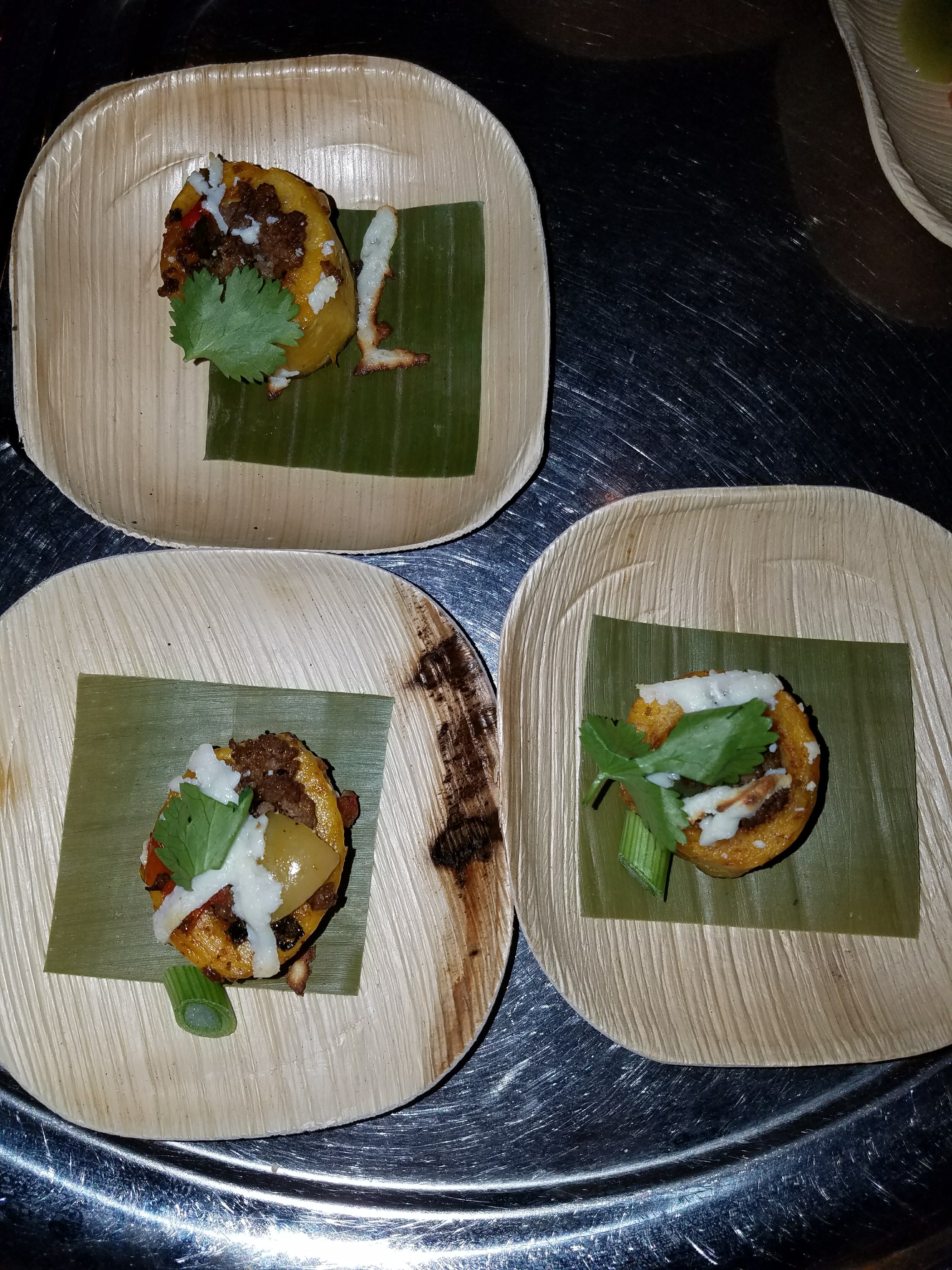
Beef Peccadillo plantains

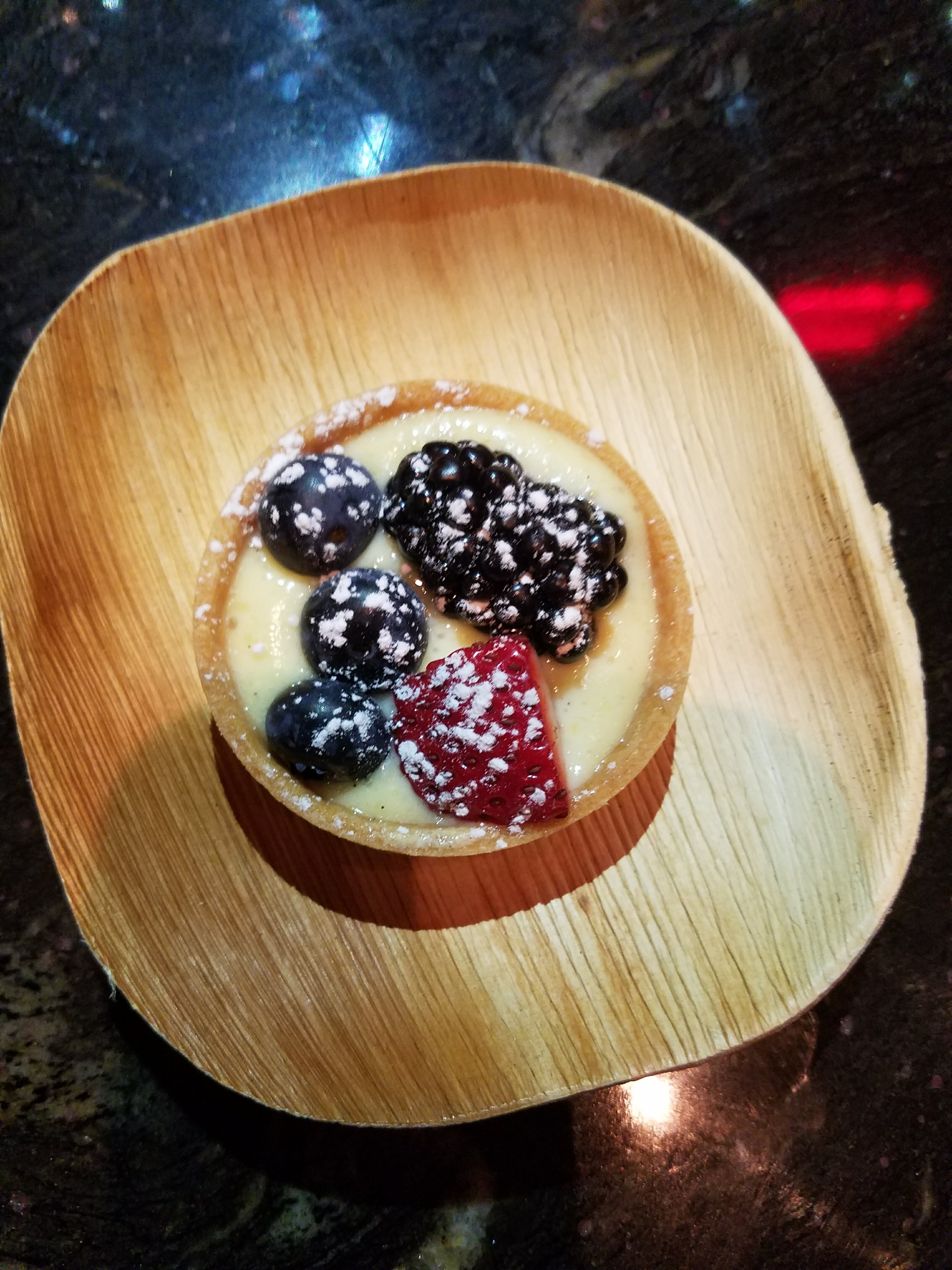
Fruit berry tart

Rum babba

Flan de leche

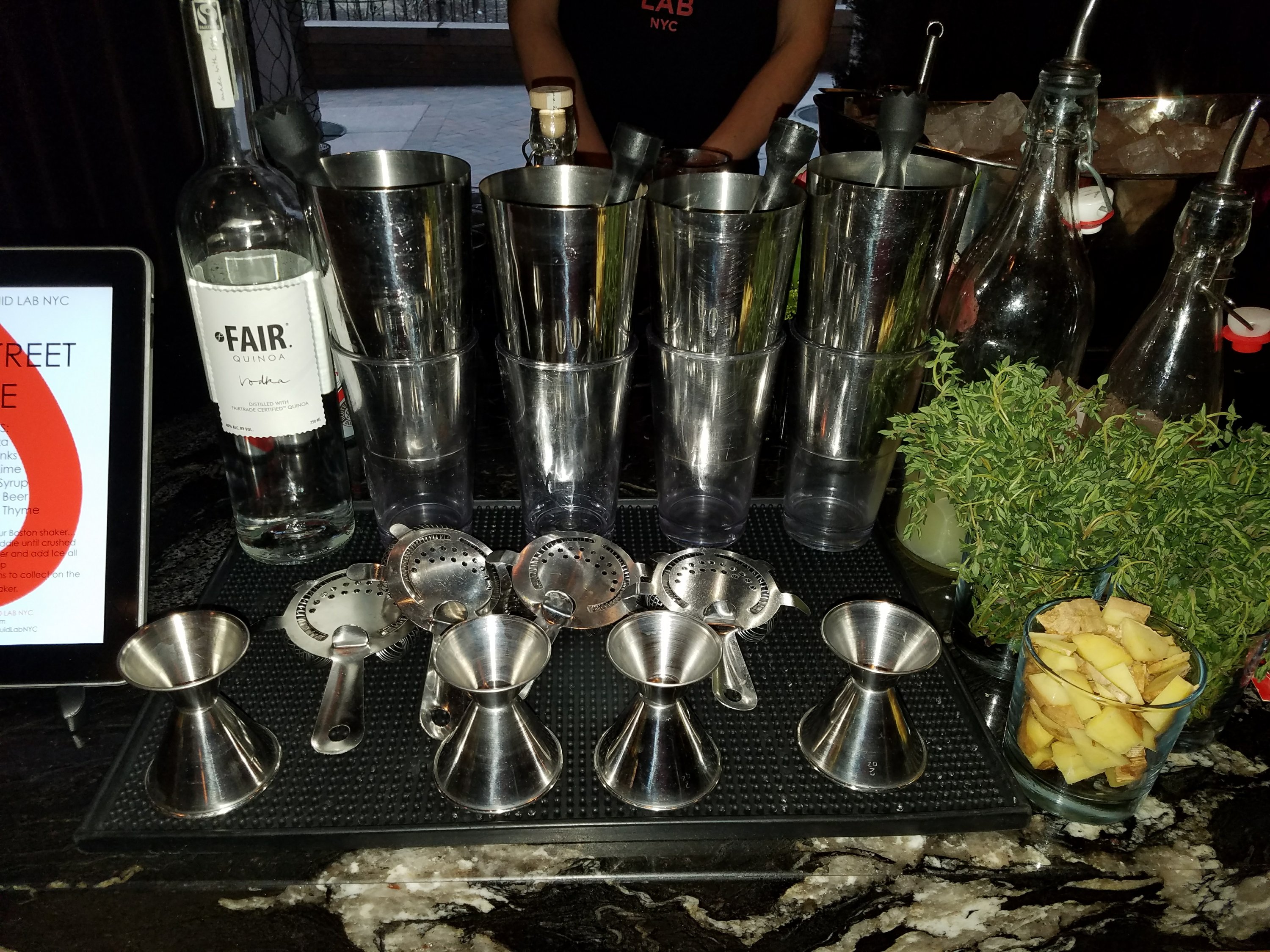
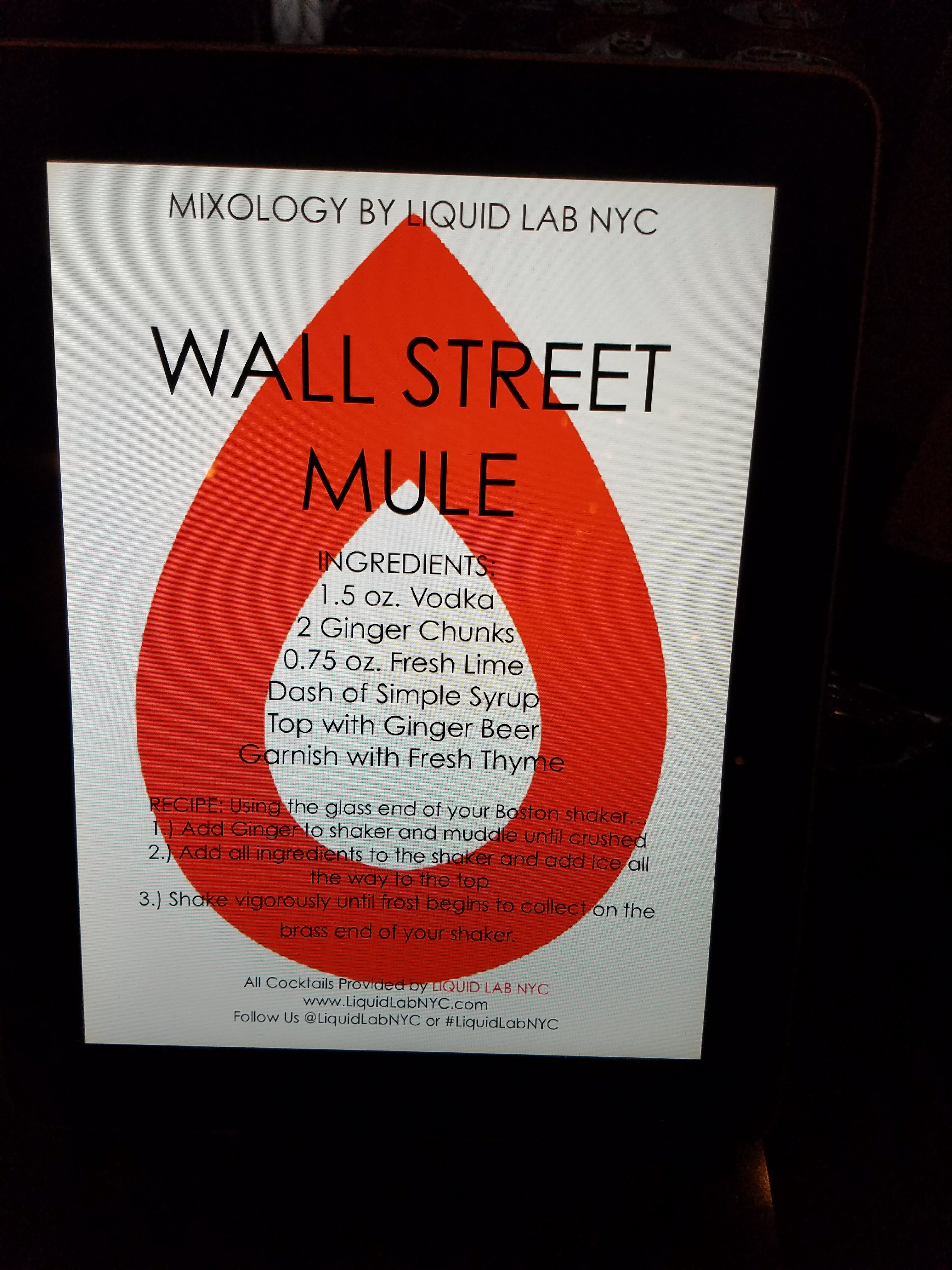
Liquid Lab mixology interactive cocktail session setup

It was obvious that I did not eat everything due to the 40 day sugar sacrifice. As a result I did not try anything containing bread and dessert. However, my favorite even from just looking at the menu was the Beef Peccadillo plantains.

Thank you to the management team at Andaz and Andaz Kitchen and Bar including Executive Chef Pietro Consorti for making me feel welcomed. I can’t wait to return and sample the remaining dishes.

Big shout out to the Liquid Lab team for a great demo on making the cocktails, which I could not participate. I do look forward to seeing them in the future.

Stay tuned for more.